

From Farm to Wellness-Jujube Dates for Anxiety Relief

From Farm to Wellness-Jujube Dates for Anxiety Relief

 From Farm to Wellness - Jujubee Dates for Anxiety

From Farm to Wellness-Jujube Dates for Anxiety Relief

In the quest for managing anxiety, many individuals seek alternatives to conventional medications, turning towards natural remedies rooted in holistic practices. I’ve benn there! Anxiety is something hard to deal with! I have personally found that jujube dates, a fruit prized in traditional medicine, offer a compelling option that merits consideration alongside anti-anxiety medications. Let’s explore how jujube dates can serve as a holistic approach to anxiety, while also considering the side effects associated with anti-anxiety medications.

Understanding Jujube Dates: Nature’s Calming Fruit

Jujube dates, also known as red dates or Chinese dates, have been utilized for centuries in traditional Chinese medicine for their calming and nourishing properties. These small, sweet fruits are packed with nutrients, including vitamins, minerals, and antioxidants that support overall health. Jujube dates are believed to have natural calming effects, helping to soothe the nervous system and promote relaxation.

One of the key components of jujube dates is their high content of flavonoids, which are known for their potential to reduce anxiety and stress. Consuming jujube dates regularly may contribute to a sense of calm and well-being, making them a valuable addition to a holistic approach to managing anxiety.

Comparing with Anti-Anxiety Medications: Considerations and Side Effects

While anti-anxiety medications can be effective for managing anxiety symptoms, they often come with a range of potential side effects that individuals may find undesirable or concerning. Common side effects of anti-anxiety medications (such as benzodiazepines and SSRIs) can include:

– Drowsiness and fatigue
– Dizziness
– Memory and concentration issues
– Dependency and withdrawal symptoms
– Digestive problems
– Sexual dysfunction

These side effects can impact quality of life and may lead some individuals to seek alternative approaches like jujube dates for anxiety management.

Choosing a Holistic Path

Incorporating jujube dates into my daily routine as part of a holistic approach to anxiety management has offered a natural and gentle way to support emotional well-being. Whether enjoyed as a snack or added to teas and recipes, jujube dates provide a nutritious and potentially calming addition to your diet. For me, I like to add a jujube date herbal formula by Apothekary called “Stop Your Wining” to a non-alcholic beverage at night. Sometimes I add it to hot tea and other times I add it to a fruit juice such as tart cherry or cranberry.

It’s important to note that severe anxiety disorders may require professional guidance and treatment, and any changes to your anxiety management plan should be discussed with a healthcare provider. Jujube dates can complement other holistic practices such as mindfulness, exercise, and therapy, contributing to a comprehensive approach to mental wellness.

Final Thoughts

When exploring options for managing anxiety holistically, jujube dates present a promising natural remedy with potential calming benefits. By incorporating these nutritious fruits into your diet alongside mindful practices, you can take steps towards nurturing your mental health in a holistic and sustainable way.

Remember, each person’s experience with anxiety is unique, and finding the right approach may require patience and experimentation. Embracing holistic remedies like jujube dates can empower individuals to take an active role in their well-being, fostering a balanced and resilient mindset. Here is a great one to try: https://amzn.to/3WkXWXc

*Disclaimer: This blog post is for informational purposes only and should not replace professional medical advice. Consult with a healthcare provider before making any changes to your anxiety management plan.*

Join Our Facebook Group

We have a wonderful group of passionate members dedicated to natural healing and sharing!
??
Together, we explore the wonders of herbal remedies, seasonal recipes, food conservation, mindfulness, sustainable living, and everything in between.  Join our shared mission of promoting natural healing, self-care, and well-being. Your contributions matter, and together, we are creating a healthier, happier life.

Disclaimer: We are an affiliate of many companies, which means that we may receive a commission if you click on our affiliate link and make a purchase. However, this does not affect our reviews and comparisons. We strive to provide honest opinions and recommendations based on our own experiences and research. Any product claim, statistic, quote, or other representation about a product or service should be verified with the manufacturer, provider, or party in question.


Why Matcha is Your Natural Alternative to Coffee

Why Matcha is Your Natural Alternative to Coffee

Go Green for Energy: Why Matcha is Your Natural Alternative to Coffee

I’ve always been an avid coffee lover—whether it’s Colombian, blonde, flavored, lattes, frappes, hot, or cold, I’ve enjoyed them all. Coffee was my go-to, my addiction. However, my perspective changed when I discovered the potential harmful chemicals lurking in my favorite brew. It was a wake-up call to consider what I was putting into my body with each sip.

But how could I function without my daily coffee fix? Enter matcha! Yes, matcha became my new go-to beverage. I quickly realized that the benefits of matcha last much longer compared to coffee, and I can still get creative with it in various drinks.

Matcha not only provides a steady energy boost without the jitters, but it’s also packed with antioxidants and nutrients that support overall well-being. From matcha lattes to smoothies, the versatility of matcha allows me to enjoy a wide range of delicious and healthful beverages.

Making the switch from coffee to matcha has been a refreshing change—a natural choice that aligns with my commitment to prioritize my health and wellness. If you’re looking to explore new ways to fuel your day, consider giving matcha a try. It might just become your new favorite brew!

Let’s explore why matcha might be a superior choice over coffee, especially when considering potential pesticide concerns.

Benefits of Matcha: Green Tea Powerhouse

Matcha is made from finely ground green tea leaves, providing a concentrated source of antioxidants, vitamins, and minerals. Unlike coffee, matcha contains a balanced blend of caffeine and L-theanine, an amino acid known for promoting calmness and focus. This combination offers sustained energy without the jitters or crash often associated with coffee.

Moreover, matcha is revered for its potent antioxidant content, particularly catechins like EGCG, which may support heart health, boost metabolism, and even help protect against certain diseases. I really love Apothekary “Slay All Day” because it includes matcha with other ingredients to help your energy last all day long. It’s easy to add it to my smoothie every morning. You can find it here: Slay All Day

If I need a pick me up during the day my favorite brand of matcha latte is Jade Leaf Matcha Organic Green Tea Powder: Jade Leaf Matcha

Dangers of Coffee: Pesticide Perils

While coffee can be a beloved morning ritual, it’s essential to be aware of potential pesticide exposure. Coffee plants are often treated with various chemicals, including pesticides, herbicides, and fungicides, which can leave residues on the beans. Regular consumption of conventionally grown coffee may contribute to pesticide accumulation in the body over time, potentially posing health risks.

Opting for organic coffee can mitigate this concern, but for those seeking a cleaner alternative, matcha presents an attractive option that’s naturally grown and minimally processed.

Choosing a Healthier Brew

When deciding between matcha and coffee, consider your wellness goals and preferences. Matcha offers a unique blend of antioxidants and a more balanced caffeine effect, making it a suitable choice for sustained energy and mental clarity. Plus, its cultivation often involves fewer pesticides compared to conventionally grown coffee.

If you’re a coffee lover, opting for organic varieties can help reduce pesticide exposure. Alternatively, exploring matcha can introduce you to a refreshing and nourishing beverage that aligns with natural healing principles. I still have coffee every now and then as a treat and organic is the way to go! Here’s on of my favorites: Purity Coffee

In the pursuit of wellness, our daily choices—including what we drink—can make a meaningful difference. Embrace the vibrant benefits of matcha and explore the world of natural brews for a healthier, more energized start to your day.

Join Our Facebook Group

We have a wonderful group of passionate members dedicated to natural healing and sharing!
??
Together, we explore the wonders of herbal remedies, seasonal recipes, food conservation, mindfulness, sustainable living, and everything in between.  Join our shared mission of promoting natural healing, self-care, and well-being. Your contributions matter, and together, we are creating a healthier, happier life.

Disclaimer: We are an affiliate of many companies, which means that we may receive a commission if you click on our affiliate link and make a purchase. However, this does not affect our reviews and comparisons. We strive to provide honest opinions and recommendations based on our own experiences and research. Any product claim, statistic, quote, or other representation about a product or service should be verified with the manufacturer, provider, or party in question.

The Joy of Mucuna Pruriens-Elevate Your Mood Naturally

The Joy of Mucuna Pruriens-Elevate Your Mood Naturally

The-Earth-Heals-Summer-Smoothie

The Joy of Mucuna Pruriens-Elevate Your Mood Naturally

In this personal blog post, I’ll share how mucuna pruriens has positively impacted my mood compared to medications I used to take for mood support. It’s important to note if you have any of the following conditions please talk with your healthcare provider before trying mucuna pruriens:

  • Cardiovascular disease
  • Diabetes
  • Hypoglycemia
  • Liver disease
  • Melanoma
  • Peptic ulcer disease
  • Schizophrenia
  • Bipolar Disorder

I also want to make it clear that mucuna pruriens can interact with some medications including: methyldopa and MAOis used for depression.

Now that that’s out of the way, let’s dive into how I feel about this amazing plant!

In the realm of natural healing, Mucuna pruriens, also known as velvet bean or cowhage, is emerging as a promising remedy for improving mood and overall well-being. This legume, native to tropical regions, contains bioactive compounds that have been linked to a range of potential health benefits, particularly in the realm of mood enhancement.

Mucuna pruriens is renowned for its ability to support mood and emotional balance. This natural remedy contains L-DOPA, a precursor to dopamine, a neurotransmitter associated with pleasure and mood regulation. By increasing dopamine levels in the brain, Mucuna pruriens may contribute to feelings of happiness, motivation, and relaxation.

Key Benefits of Mucuna Pruriens for Mood

1. Supports Positive Mood: Mucuna pruriens may help promote a more positive outlook on life by boosting dopamine levels in the brain.

2. Reduces Stress and Anxiety: The calming properties of Mucuna pruriens can help alleviate stress and anxiety, supporting a sense of calm and tranquility.

3. Enhances Motivation and Focus: By optimizing dopamine levels, Mucuna pruriens may enhance motivation, focus, and cognitive function.

4. Natural Energy Boost: Some individuals report increased energy levels and vitality with regular use of Mucuna pruriens.


Final Thoughts

For me, mucuna pruriens holds promise as a natural mood booster, offering a gentle yet effective approach to enhancing emotional well-being. When used mindfully and in conjunction with a balanced lifestyle, Mucuna pruriens can be a valuable ally on your journey towards holistic health and vitality. I, myself, don’t use it daily. But, there are certain times that I know I need that extra boost in my mood. I can easily add it to my smoothy or in a cup of tea in the evening. I always use poweder form and one of my favorites is organic mucuna pruriens by Nutricost. The link is here: Nutricost Munuca Pruriens. I also like “Mood Bloom” by Apothekary that has some other great adaptogens that help with mood. Give them a try but first, talk to your healthcare provider.


Join Our Facebook Group

We have a wonderful group of passionate members dedicated to natural healing and sharing!
??
Together, we explore the wonders of herbal remedies, seasonal recipes, food conservation, mindfulness, sustainable living, and everything in between.  Join our shared mission of promoting natural healing, self-care, and well-being. Your contributions matter, and together, we are creating a healthier, happier life.

Disclaimer: We are an affiliate of many companies, which means that we may receive a commission if you click on our affiliate link and make a purchase. However, this does not affect our reviews and comparisons. We strive to provide honest opinions and recommendations based on our own experiences and research. Any product claim, statistic, quote, or other representation about a product or service should be verified with the manufacturer, provider, or party in question.

The Power of Chicory for Type 2 Diabetes Management

The Power of Chicory for Type 2 Diabetes Management

"Unlocking the Power of Chicory: A Holistic Approach to Type 2 Diabetes Management"

“The Power of Chicory for Type 2 Diabetes Management”


Several years back, I received a life-altering diagnosis: Type 2 diabetes. The news hit me like a ton of bricks, especially considering I had witnessed my mother navigate this daunting disease throughout my upbringing. The thought of facing the same challenges she endured for half her life left me devastated. However, amidst the initial shock, I made a firm decision—I refused to let diabetes define my future. Fast forward to less than a year ago, and I received incredible news: my Type 2 diabetes had been reversed! While I embraced various holistic approaches on my journey to recovery, one stands out prominently—chicory. Let’s delve into how this remarkable plant played a pivotal role in my transformation.

In the realm of natural healing, chicory stands out as a powerful yet often overlooked remedy for managing type 2 diabetes. Derived from the chicory plant’s roots, this humble herb boasts a myriad of benefits that can support individuals on their journey towards better blood sugar control and overall well-being. Here’s how chicory can help with diabetes:

Certainly! Chicory is a versatile plant known for its various health benefits. Here are some of the key advantages of incorporating chicory into your wellness routine:

Blood Sugar Regulation

Chicory contains inulin, a type of soluble fiber that acts as a prebiotic, nourishing beneficial gut bacteria and promoting digestive health. This fiber also slows down the absorption of glucose in the intestines, helping to stabilize blood sugar levels and improve insulin sensitivity—a crucial aspect of managing type 2 diabetes.

Weight Management

Maintaining a healthy weight is essential for managing type 2 diabetes, and chicory can be a valuable ally in this regard. Its high fiber content promotes feelings of fullness and satiety, reducing overall calorie intake and aiding in weight loss or weight maintenance goals.

Liver Support

The liver plays a significant role in regulating blood sugar levels by storing and releasing glucose as needed. Chicory contains compounds that support liver health and function, helping to optimize glucose metabolism and prevent spikes in blood sugar levels.

Anti-Inflammatory Effects

Chicory is rich in antioxidants and anti-inflammatory compounds that can help reduce inflammation in the body—a common factor in insulin resistance and type 2 diabetes. By combating inflammation, chicory supports overall metabolic health and may help improve insulin sensitivity.

Heart Health

Individuals with type 2 diabetes are at higher risk of developing cardiovascular complications, making heart health a top priority. The fiber, antioxidants, and anti-inflammatory properties found in chicory can help lower cholesterol levels, reduce blood pressure, and protect against heart disease—supporting overall cardiovascular well-being.

I relied on Metformin to regulate my blood sugar levels, and it proved remarkably effective in maintaining stability. Yet, despite its efficacy, the medication carries a slew of potential side effects, particularly over the long term. Ultimately, I made the decision to discontinue its use. Here’s why:

Potential Side Effects of Metformin:

Gastrointestinal Distress

One of the most common side effects of metformin is gastrointestinal upset, including diarrhea, nausea, and abdominal discomfort. For some individuals, these symptoms can be severe and debilitating.

Lactic Acidosis

Although rare, metformin can cause a potentially life-threatening condition called lactic acidosis, characterized by the buildup of lactic acid in the bloodstream. This risk is higher in individuals with kidney impairment or other underlying health conditions.

Nutrient Depletion

Long-term use of metformin has been linked to vitamin B12 deficiency, which can lead to neurological complications, anemia, and fatigue. Additionally, metformin may interfere with the absorption of other nutrients, such as calcium and magnesium.

Liver and Kidney Function

Metformin is primarily eliminated from the body through the kidneys, raising concerns about its safety in individuals with impaired kidney function. It may also affect liver enzymes and function, particularly in those with pre-existing liver conditions.

Risk of Hypoglycemia

While metformin itself does not typically cause hypoglycemia (low blood sugar), it may increase the risk when combined with other diabetes medications or lifestyle factors such as fasting or strenuous exercise.

Incorporating chicory into your diet, whether as a leafy green vegetable, herbal tea, or supplement, can offer a wide range of health benefits and support your journey towards optimal well-being. As with any natural remedy, it’s essential to consult with a healthcare professional before making significant changes to your diet or lifestyle, especially if you have underlying health conditions or are pregnant or breastfeeding.

My recommendation for chicory is, of course, Teecino. My favorite alternative for coffee! Here’s the link: Teecino and use code EARTHHEALS for 10% off of your order! Make sure you search for the chicory Teecino as they have many different options.

Join Our Facebook Group

We have a wonderful group of passionate members dedicated to natural healing and sharing!
??
Together, we explore the wonders of herbal remedies, seasonal recipes, food conservation, mindfulness, sustainable living, and everything in between.  Join our shared mission of promoting natural healing, self-care, and well-being. Your contributions matter, and together, we are creating a healthier, happier life.

Disclaimer: We are an affiliate of many companies, which means that we may receive a commission if you click on our affiliate link and make a purchase. However, this does not affect our reviews and comparisons. We strive to provide honest opinions and recommendations based on our own experiences and research. Any product claim, statistic, quote, or other representation about a product or service should be verified with the manufacturer, provider, or party in question.
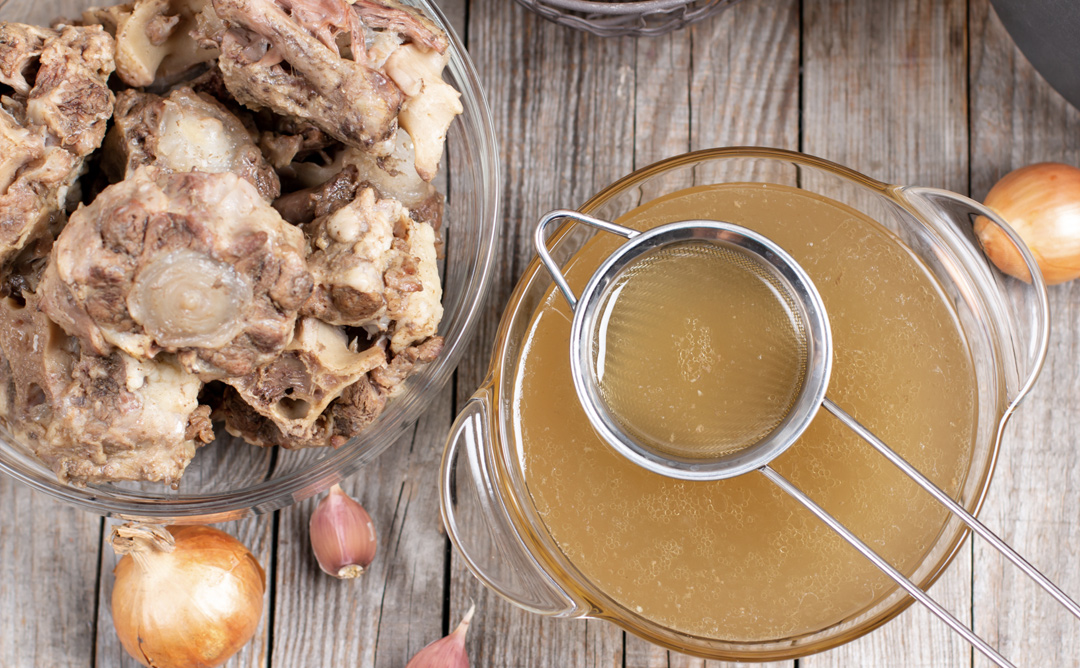
Stomp Inflammation with Bone Broth

Stomp Inflammation with Bone Broth

Stomp Inflammation with Bone Broth

 Stomp Inflammation with Bone Broth

Inflammation—oh, the trials and tribulations it brings. I’ve become quite the expert in navigating its relentless challenges, having grappled with gut issues, skin flare-ups, joint discomfort, and a host of other inflammatory woes. At one point, I found myself heavily reliant on medications to alleviate the pain, with opioids becoming my steadfast companion. Yet, when even they failed to provide relief, I turned to steroids, enduring their harsh side effects in exchange for a semblance of comfort.

However, as I delved deeper into the potential long-term repercussions of excessive steroid use, my concerns grew. I embarked on a relentless quest, scouring far and wide for an alternative solution to quell my inflammation before it spiraled out of control, necessitating a return to steroids. And here I stand, two years after liberating myself from 90% of my medications, including steroids, to share with you a revelation: there exists a potent remedy capable of taming inflammation, whether it manifests as arthritis, bursitis, eczema, rosacea, or gut issues.

My beacon of hope? Bone broth. Let’s delve into the rich array of benefits that bone broth offers and uncover why it deserves a place of honor in your diet.

1.Rich in Nutrients: Bone broth is a nutritional powerhouse, packed with essential vitamins, minerals, and amino acids. It contains collagen, gelatin, calcium, magnesium, phosphorus, and potassium, among other vital nutrients, which support overall health and well-being.

2. Supports Gut Health: The gelatin and amino acids found in bone broth are gentle on the digestive system and may help soothe and repair the gut lining. Regular consumption of bone broth can promote gut integrity, improve digestion, and alleviate symptoms of conditions like leaky gut syndrome and irritable bowel syndrome (IBS).

3. Boosts Immunity: The amino acids present in bone broth, such as glutamine and arginine, have immune-boosting properties that support the body’s defense mechanisms. Additionally, the rich array of nutrients in bone broth nourishes the immune system, helping to ward off infections and illnesses.

4. Promotes Joint Health: Collagen and gelatin, abundant in bone broth, provide building blocks for healthy joints, ligaments, and tendons. Regular consumption of bone broth may help reduce joint pain, inflammation, and stiffness, making it a valuable ally for those with arthritis or other joint-related conditions.

5. Supports Skin Health: Collagen, the main protein in bone broth, plays a crucial role in maintaining skin elasticity, hydration, and firmness. Incorporating bone broth into your diet can help promote youthful-looking skin, reduce the appearance of wrinkles, and support overall skin health.

6. Aids in Weight Loss: Bone broth is low in calories yet rich in nutrients, making it an excellent addition to a weight loss or maintenance regimen. The gelatin in bone broth promotes feelings of satiety, helping to curb cravings and support healthy weight management.

7. Promotes Detoxification: The amino acids and minerals in bone broth support the body’s natural detoxification processes, aiding in the elimination of toxins and metabolic waste. Regular consumption of bone broth can help support liver function and promote overall detoxification.

Let’s talk about steroids, shall we? There’s no denying their effectiveness—they get the job done, no doubt about it. But let’s not overlook the elephant in the room: those side effects. They’re not to be taken lightly, especially with prolonged usage. I’ve had my fair share of encounters with steroids over the years, and trust me, I’ve experienced firsthand the laundry list of health issues they can bring about.

1. Adverse Effects on Physical Health: Prolonged or excessive steroid use can wreak havoc on various bodily systems. Common physical side effects include liver damage, cardiovascular complications such as heart attacks and strokes, hypertension, and increased cholesterol levels. Steroids can also disrupt hormone levels, leading to hormonal imbalances, infertility, and sexual dysfunction.

2. Musculoskeletal Issues: While steroids may initially enhance muscle growth and strength, their long-term use can weaken ligaments and tendons, increasing the risk of injuries such as tendon ruptures and muscle tears. Additionally, steroid-induced muscle hypertrophy may be accompanied by muscle dysmorphia, a psychological condition characterized by distorted body image and excessive preoccupation with muscularity.

3. Endocrine Disruption: Steroids interfere with the body’s natural hormone production, particularly the hypothalamic-pituitary-adrenal (HPA) axis. Prolonged steroid use can suppress the production of cortisol, leading to adrenal insufficiency and adrenal crisis—a life-threatening condition characterized by severe fatigue, dehydration, and electrolyte imbalances.

4. Psychological Effects: The use of steroids can have profound psychological consequences, including mood swings, irritability, aggression, and depression. Some individuals may experience steroid-induced psychosis, marked by hallucinations, delusions, and impaired judgment. Steroid misuse can also exacerbate underlying mental health conditions or trigger the onset of psychiatric disorders.

5. Addiction and Dependence: Steroid abuse can lead to psychological dependence and addiction, characterized by compulsive drug-seeking behavior and withdrawal symptoms upon discontinuation. Individuals may experience cravings, insomnia, fatigue, and depression when attempting to quit steroids, further perpetuating the cycle of misuse.

6. Legal Ramifications: In addition to its adverse health effects, steroid use carries legal implications. The non-medical use of steroids is illegal in many countries and may result in fines, legal sanctions, and criminal charges. Athletes who test positive for banned substances face suspension, disqualification, and tarnished reputations.

From supporting gut health to promoting joint mobility and enhancing skin radiance, bone broth offers a plethora of benefits that nourish the body from the inside out. To battle inflammation I recommend ingesting bone broth every day. For me, it’s easiest to take it in the form of protein. My favorite brand is Ancient Nutrition developed by Dr. Josh Axe, one of my favorite holistic physicians. Here’s the link: https://amzn.to/49eVTH7  Take a look around! There’s a few flavors to choose from!
Here is also a homemade recipe from a member (thank you Alonda Manzer)  in our Facebook Group: 

Join Our Facebook Group

We have a wonderful group of passionate members dedicated to natural healing and sharing!
??
Together, we explore the wonders of herbal remedies, seasonal recipes, food conservation, mindfulness, sustainable living, and everything in between.  Join our shared mission of promoting natural healing, self-care, and well-being. Your contributions matter, and together, we are creating a healthier, happier life.

Disclaimer: We are an affiliate of many companies, which means that we may receive a commission if you click on our affiliate link and make a purchase. However, this does not affect our reviews and comparisons. We strive to provide honest opinions and recommendations based on our own experiences and research. Any product claim, statistic, quote, or other representation about a product or service should be verified with the manufacturer, provider, or party in question.

Local Honey is a Natural Remedy for Seasonal Allergies

Local Honey is a Natural Remedy for Seasonal Allergies

The-Earth-Heals-Summer-Smoothie

Harnessing the Healing Power of Local Honey: A Natural Remedy for Seasonal Allergies

Ah, springtime—a season of longer, warmer days, the melodious chirping of birds, vibrant blooms adorning the landscape, and the return of lush greenery to the trees. Yet, amidst this picturesque scene, lurks the inevitable arrival of allergies. It seems only fitting that amidst the splendor of spring, there must be something to challenge our senses, doesn’t it? Without fail, every year brings the same challenge: itchy, watery eyes, a runny nose, and a sore throat—classic symptoms of seasonal allergies. However, amidst this annual struggle, I’ve discovered a secret weapon that makes a significant difference: honey! But not just any honey—local honey. Local honey is a sweet solution that holds the promise of relief from seasonal allergies. Let’s explore the benefits of local honey and its role in combating seasonal allergies.

Prize Winning Benefits:

  1. Immune System Support: Local honey is rich in antioxidants, enzymes, and beneficial nutrients that support a healthy immune system. Consuming honey sourced from your local area exposes your body to small amounts of pollen, acting as a natural immunotherapy and helping to build resilience against seasonal allergens.
  2. Allergy Symptom Relief: Regular consumption of local honey may help reduce the severity of allergy symptoms such as sneezing, runny nose, and itchy eyes. The gradual exposure to local pollen through honey consumption can desensitize the body’s immune response, leading to fewer allergic reactions over time.
  3. Anti-Inflammatory Properties: Honey contains anti-inflammatory compounds that can help soothe irritated mucous membranes and reduce inflammation associated with seasonal allergies. This can provide relief from congestion and respiratory discomfort caused by allergic reactions.
  4. Natural Energy Boost: In addition to its allergy-fighting properties, honey serves as a natural energy booster, providing a quick source of carbohydrates for the body. Incorporating local honey into your diet can help sustain energy levels and combat fatigue often associated with allergy symptoms.
  5. Supports Digestive Health: Local honey contains prebiotics, which promote the growth of beneficial bacteria in the gut. A healthy gut microbiome is essential for optimal immune function and may contribute to overall allergy resilience.

When selecting local honey for allergy relief, opt for raw, unfiltered varieties whenever possible. These retain the highest levels of pollen and enzymes, maximizing the potential allergy-fighting benefits. I choose local honey for my allergy needs because allergy medication just doesn’t cut it for me. I get way to many side effects while taking it that just aren’t worth it to me. Here’s some side effects you may be getting from your allergy medication.

A great place to start is supporting your local farmer’s markets. Take a look to see where your closest one is:
The Farmers Market Directory

Side effects from allergy medication may include:

  1. Drowsiness: Many over-the-counter and prescription allergy medications, particularly antihistamines, can cause drowsiness and sedation. This effect can impair concentration, coordination, and alertness, impacting daily activities and productivity.
  2. Dry Mouth: Some allergy medications, particularly antihistamines, can lead to dry mouth as a side effect. This occurs due to the medication’s anticholinergic properties, which can reduce saliva production and result in discomfort.
  3. Dizziness: Certain allergy medications may cause dizziness or lightheadedness, especially when standing up quickly or after prolonged use. This side effect can increase the risk of falls and accidents, particularly in older adults.
  4. Blurred Vision: In some cases, allergy medications may cause blurred vision or difficulty focusing. This side effect can affect visual acuity and may interfere with activities such as driving or reading.
  5. Nausea or Upset Stomach: Allergy medications, particularly those containing decongestants, can cause gastrointestinal side effects such as nausea, vomiting, or stomach upset. These symptoms may be more common with higher doses or prolonged use.
  6. Increased Heart Rate: Decongestants found in some allergy medications can stimulate the heart and increase heart rate and blood pressure. Individuals with cardiovascular conditions should use these medications cautiously and under medical supervision.
  7. Urinary Retention: Certain antihistamines and decongestants may interfere with bladder function, leading to difficulty urinating or urinary retention, particularly in men with prostate enlargement.

Local honey offers a natural and delicious approach to managing seasonal allergies. By incorporating this golden elixir into your daily routine, you can support your immune system, alleviate allergy symptoms, and embrace the healing power of nature. While local honey is not a cure-all for allergies, it serves as a valuable tool in the holistic arsenal of natural remedies, providing relief and promoting well-being in harmony with the seasons. Check out Margie Espe’s blog on nettle for allergies as well here: Nettle: Nature’s Remedy for Allergies

Join Our Facebook Group

We have a wonderful group of passionate members dedicated to natural healing and sharing!
??
Together, we explore the wonders of herbal remedies, seasonal recipes, food conservation, mindfulness, sustainable living, and everything in between.  Join our shared mission of promoting natural healing, self-care, and well-being. Your contributions matter, and together, we are creating a healthier, happier life.

Disclaimer: We are an affiliate of many companies, which means that we may receive a commission if you click on our affiliate link and make a purchase. However, this does not affect our reviews and comparisons. We strive to provide honest opinions and recommendations based on our own experiences and research. Any product claim, statistic, quote, or other representation about a product or service should be verified with the manufacturer, provider, or party in question.