Harnessing the Power of Nature With Redwood Oil

Harnessing The Power of Nature with Redwood Oil

Harnessing the Power of Nature: Redwood Oil for Anxiety

If you haven’t yet experienced the wonders of redwood oil, you’re in for a treat! This blog is your gateway to unlocking its incredible benefits. From its luxurious feel to its captivating aroma, redwood oil truly excels in every aspect. Personally, I’ve found it to be a game-changer for managing anxiety and soothing troublesome skin conditions like eczema and rosacea

Let’s face it, in today’s fast-paced world, anxiety has become an all-too-common companion for many. While pharmaceuticals offer relief for some, others seek natural alternatives that align with their holistic approach to well-being. Enter redwood oil—a lesser-known gem derived from the ancient giants of the forest. Let’s explore how this natural remedy compares to anti-anxiety medication in the quest for tranquility and inner peace.

Redwood Oil: Nature’s Soothing Elixir

Derived from the majestic redwood trees that have stood tall for centuries, redwood oil boasts an impressive array of benefits for anxiety relief:

1. Natural Calming Properties: Redwood oil contains compounds known to promote relaxation and reduce feelings of stress and anxiety. Its earthy aroma has a grounding effect on the mind, helping to ease racing thoughts and promote mental clarity.

2. Gentle on the Body: Unlike pharmaceuticals, which may come with a host of side effects, redwood oil offers a gentle and natural approach to anxiety relief. It is well-tolerated by most individuals and unlikely to cause adverse reactions.

3. Holistic Wellness: Redwood oil not only addresses the symptoms of anxiety but also supports overall well-being. Its antioxidant and anti-inflammatory properties contribute to physical health, while its grounding aroma nurtures emotional balance.

4. Environmental Sustainability: By choosing redwood oil, individuals can support sustainable forestry practices and the preservation of ancient redwood ecosystems, aligning with values of environmental stewardship and conservation.

Redwood Oil: Other Amazing Benefits

1. Anti-Inflammatory Properties: Redwood oil contains compounds that possess anti-inflammatory properties, making it beneficial for reducing inflammation in the body and easing symptoms of conditions such as arthritis and muscle soreness.

2. Antioxidant Effects: Rich in antioxidants, redwood oil helps neutralize free radicals and oxidative stress, thereby protecting cells from damage and supporting overall health and longevity.

3. Skin Health: Redwood oil is renowned for its nourishing properties, promoting skin hydration, elasticity, and vitality. It can help soothe dry, irritated skin, minimize the appearance of wrinkles and fine lines, and enhance overall complexion.

4. Wound Healing: Due to its antimicrobial and regenerative properties, redwood oil can aid in the healing of minor wounds, cuts, and abrasions. It helps promote tissue repair and reduces the risk of infection.

5. Respiratory Support: Inhalation of redwood oil vapor may help alleviate respiratory symptoms such as congestion, cough, and bronchial discomfort. It can support clear breathing and respiratory health.

6. Natural Deodorant: Redwood oil has a pleasant, woodsy scent that can act as a natural deodorant, neutralizing body odor without the use of harsh chemicals or synthetic fragrances.

7. Hair Care: Incorporating redwood oil into hair care routines can help nourish the scalp, strengthen hair follicles, and promote healthy hair growth. It may also help improve the appearance of dry or damaged hair.

8. Environmental Sustainability: When sourced responsibly, redwood oil production supports sustainable forestry practices and the preservation of ancient redwood ecosystems, contributing to environmental conservation efforts.

Anti-Anxiety Medication: The Pharmaceutical Approach

While anti-anxiety medication can provide relief for some, it’s essential to consider the potential drawbacks:

1. Side Effects: Many anti-anxiety medications come with a range of side effects, including drowsiness, dizziness, and cognitive impairment. These effects can impact daily functioning and quality of life.

2. Risk of Dependency: Some anti-anxiety medications have the potential for dependency and withdrawal symptoms, making them less desirable for long-term use.

3. Individual Variability: Response to anti-anxiety medication can vary widely among individuals, and finding the right medication and dosage may require trial and error.

4. Limited Holistic Benefits: While medication may alleviate anxiety symptoms, it may not address the underlying causes or promote overall well-being in the way that natural remedies like redwood oil can.

In the quest for anxiety relief, both redwood oil and anti-anxiety medication offer potential benefits. However, for those seeking a gentle, holistic approach that honors the body and the environment, redwood oil stands out as a natural ally. By harnessing the power of nature’s soothing elixir, individuals can find tranquility and inner peace, supporting their journey towards holistic wellness.

As with any natural remedy or medication, it’s essential to consult with a healthcare professional to determine the best approach for individual needs and circumstances. Whether it’s through the calming aroma of redwood oil or the guidance of pharmaceuticals, may each person find the path that leads to a sense of serenity and well-being. So many benefits! No excuse not to try it out! Here is the brand I love: https://chikybotanica.com/products/wildcrafted-redwood-oil – We are not affiliated with them yet, but it is just amazing. 


Join Our Facebook Group

We have a wonderful group of passionate members dedicated to natural healing and sharing!
??
Together, we explore the wonders of herbal remedies, seasonal recipes, food conservation, mindfulness, sustainable living, and everything in between.  Join our shared mission of promoting natural healing, self-care, and well-being. Your contributions matter, and together, we are creating a healthier, happier life.

Disclaimer: We are an affiliate of many companies, which means that we may receive a commission if you click on our affiliate link and make a purchase. However, this does not affect our reviews and comparisons. We strive to provide honest opinions and recommendations based on our own experiences and research. Any product claim, statistic, quote, or other representation about a product or service should be verified with the manufacturer, provider, or party in question.

The Power of Chicory for Type 2 Diabetes Management

The Power of Chicory for Type 2 Diabetes Management

"Unlocking the Power of Chicory: A Holistic Approach to Type 2 Diabetes Management"

“The Power of Chicory for Type 2 Diabetes Management”


Several years back, I received a life-altering diagnosis: Type 2 diabetes. The news hit me like a ton of bricks, especially considering I had witnessed my mother navigate this daunting disease throughout my upbringing. The thought of facing the same challenges she endured for half her life left me devastated. However, amidst the initial shock, I made a firm decision—I refused to let diabetes define my future. Fast forward to less than a year ago, and I received incredible news: my Type 2 diabetes had been reversed! While I embraced various holistic approaches on my journey to recovery, one stands out prominently—chicory. Let’s delve into how this remarkable plant played a pivotal role in my transformation.

In the realm of natural healing, chicory stands out as a powerful yet often overlooked remedy for managing type 2 diabetes. Derived from the chicory plant’s roots, this humble herb boasts a myriad of benefits that can support individuals on their journey towards better blood sugar control and overall well-being. Here’s how chicory can help with diabetes:

Certainly! Chicory is a versatile plant known for its various health benefits. Here are some of the key advantages of incorporating chicory into your wellness routine:

Blood Sugar Regulation

Chicory contains inulin, a type of soluble fiber that acts as a prebiotic, nourishing beneficial gut bacteria and promoting digestive health. This fiber also slows down the absorption of glucose in the intestines, helping to stabilize blood sugar levels and improve insulin sensitivity—a crucial aspect of managing type 2 diabetes.

Weight Management

Maintaining a healthy weight is essential for managing type 2 diabetes, and chicory can be a valuable ally in this regard. Its high fiber content promotes feelings of fullness and satiety, reducing overall calorie intake and aiding in weight loss or weight maintenance goals.

Liver Support

The liver plays a significant role in regulating blood sugar levels by storing and releasing glucose as needed. Chicory contains compounds that support liver health and function, helping to optimize glucose metabolism and prevent spikes in blood sugar levels.

Anti-Inflammatory Effects

Chicory is rich in antioxidants and anti-inflammatory compounds that can help reduce inflammation in the body—a common factor in insulin resistance and type 2 diabetes. By combating inflammation, chicory supports overall metabolic health and may help improve insulin sensitivity.

Heart Health

Individuals with type 2 diabetes are at higher risk of developing cardiovascular complications, making heart health a top priority. The fiber, antioxidants, and anti-inflammatory properties found in chicory can help lower cholesterol levels, reduce blood pressure, and protect against heart disease—supporting overall cardiovascular well-being.

I relied on Metformin to regulate my blood sugar levels, and it proved remarkably effective in maintaining stability. Yet, despite its efficacy, the medication carries a slew of potential side effects, particularly over the long term. Ultimately, I made the decision to discontinue its use. Here’s why:

Potential Side Effects of Metformin:

Gastrointestinal Distress

One of the most common side effects of metformin is gastrointestinal upset, including diarrhea, nausea, and abdominal discomfort. For some individuals, these symptoms can be severe and debilitating.

Lactic Acidosis

Although rare, metformin can cause a potentially life-threatening condition called lactic acidosis, characterized by the buildup of lactic acid in the bloodstream. This risk is higher in individuals with kidney impairment or other underlying health conditions.

Nutrient Depletion

Long-term use of metformin has been linked to vitamin B12 deficiency, which can lead to neurological complications, anemia, and fatigue. Additionally, metformin may interfere with the absorption of other nutrients, such as calcium and magnesium.

Liver and Kidney Function

Metformin is primarily eliminated from the body through the kidneys, raising concerns about its safety in individuals with impaired kidney function. It may also affect liver enzymes and function, particularly in those with pre-existing liver conditions.

Risk of Hypoglycemia

While metformin itself does not typically cause hypoglycemia (low blood sugar), it may increase the risk when combined with other diabetes medications or lifestyle factors such as fasting or strenuous exercise.

Incorporating chicory into your diet, whether as a leafy green vegetable, herbal tea, or supplement, can offer a wide range of health benefits and support your journey towards optimal well-being. As with any natural remedy, it’s essential to consult with a healthcare professional before making significant changes to your diet or lifestyle, especially if you have underlying health conditions or are pregnant or breastfeeding.

My recommendation for chicory is, of course, Teecino. My favorite alternative for coffee! Here’s the link: Teecino and use code EARTHHEALS for 10% off of your order! Make sure you search for the chicory Teecino as they have many different options.

Join Our Facebook Group

We have a wonderful group of passionate members dedicated to natural healing and sharing!
??
Together, we explore the wonders of herbal remedies, seasonal recipes, food conservation, mindfulness, sustainable living, and everything in between.  Join our shared mission of promoting natural healing, self-care, and well-being. Your contributions matter, and together, we are creating a healthier, happier life.

Disclaimer: We are an affiliate of many companies, which means that we may receive a commission if you click on our affiliate link and make a purchase. However, this does not affect our reviews and comparisons. We strive to provide honest opinions and recommendations based on our own experiences and research. Any product claim, statistic, quote, or other representation about a product or service should be verified with the manufacturer, provider, or party in question.

10 Eco-Friendly Gardening Tips for a Greener Earth Day

10 Eco-Friendly Gardening Tips for a Greener Earth Day

10 Eco-Friendly Gardening Tips for a Greener Earth Day

As we celebrate Earth Day, fond memories flood my mind with growing up in Upstate New York. In the quaint town of Owego, My Dad and Mom grew anywhere from 4-8 gardens per year, all grown from seed. My Dad epitomized living in harmony with the land. Our family’s diet was rich with fresh fruits and vegetables —all meticulously aligned in rows that caught the eyes of passersby. Summers were dedicated to canning and freezing our bounty, ensuring we enjoyed the fruits of our labor year-round. His plants started as seeds in a makeshift greenhouse with a wooded frame and old window that would slide on and off to adjust to the level of heat needed.

Summers were spent canning and freezing our crops. We truly lived off the land. he epitomized living in harmony with the land. Our family’s diet was rich with fresh tomatoes, corn, potatoes, and blackberries—all meticulously aligned in rows that caught the eyes of passersby. Summers were dedicated to canning and freezing our bounty, ensuring we enjoyed the fruits of our labor year-round.

“The best time to plant a tree was 20 years ago. The second best time is now.”

There’s no better time to start or enhance our gardening efforts than Earth Day! Whether you’re a seasoned gardener or just getting started, here are 10 eco-friendly gardening tips to help you make a positive impact on the our Environment:

  • Compost: Composting is a simple way to turn food scraps and yard waste into nutrient-rich soil for your garden. It reduces waste sent to landfills and helps to reduce greenhouse gas emissions. There are a lot of options. If you want to keep it contained, try this one: https://amzn.to/3U3lays
  • Go Organic: Using organic fertilizers and pest control methods will help reduce the use of harmful chemicals that can harm wildlife, waterways and soil. https://amzn.to/3U3ljSw
  • Use Native Plants: Native plants are adapted to your region and require less water and maintenance than non-native species. They also provide habitat for local wildlife.
  • Water Efficiently: Water your garden in the early morning or late evening to reduce evaporation. Use drip irrigation systems or a rain barrel to collect rainwater to irrigate your garden. https://amzn.to/49RwjZ6
  • Mulch: Mulching around plants helps retain moisture and suppresses weeds, which reduces the need for water and chemical weed killers.
  • Choose Eco-Friendly Products: Choose products that are sustainable, eco-friendly and non-toxic for your garden such as natural pest repellents, organic fertilizers and biodegradable planters. https://amzn.to/3JsnNEQ
  • Plant Trees: Trees absorb carbon dioxide and release oxygen, making them a natural way to combat climate change.
  • Start a Bee Garden: Bees are essential pollinators that are vital to our ecosystem. Create a garden that attracts bees with native flowers, herbs and shrubs. https://amzn.to/3xLqBuj
  • Use Sustainable Gardening Practices: Use hand tools and manual labor as much as possible to reduce greenhouse gas emissions from gas-powered gardening tools.
  • Reduce, Reuse and Recycle: Use recycled materials, compost waste, and recycle containers to reduce waste in your garden.

By incorporating these eco-friendly gardening tips, you can make a positive impact on the environment and celebrate Earth Day every day in your garden. 


Here are some resources that will help you to live a life that is eco-friendly

Disclaimer: We are an affiliate of many companies, which means that we may receive a commission if you click on our affiliate link and make a purchase. However, this does not affect our reviews and comparisons. We strive to provide honest opinions and recommendations based on our own experiences and research. Any product claim, statistic, quote, or other representation about a product or service should be verified with the manufacturer, provider, or party in question.

Stomp Inflammation with Bone Broth

Stomp Inflammation with Bone Broth

Stomp Inflammation with Bone Broth

 Stomp Inflammation with Bone Broth

Inflammation—oh, the trials and tribulations it brings. I’ve become quite the expert in navigating its relentless challenges, having grappled with gut issues, skin flare-ups, joint discomfort, and a host of other inflammatory woes. At one point, I found myself heavily reliant on medications to alleviate the pain, with opioids becoming my steadfast companion. Yet, when even they failed to provide relief, I turned to steroids, enduring their harsh side effects in exchange for a semblance of comfort.

However, as I delved deeper into the potential long-term repercussions of excessive steroid use, my concerns grew. I embarked on a relentless quest, scouring far and wide for an alternative solution to quell my inflammation before it spiraled out of control, necessitating a return to steroids. And here I stand, two years after liberating myself from 90% of my medications, including steroids, to share with you a revelation: there exists a potent remedy capable of taming inflammation, whether it manifests as arthritis, bursitis, eczema, rosacea, or gut issues.

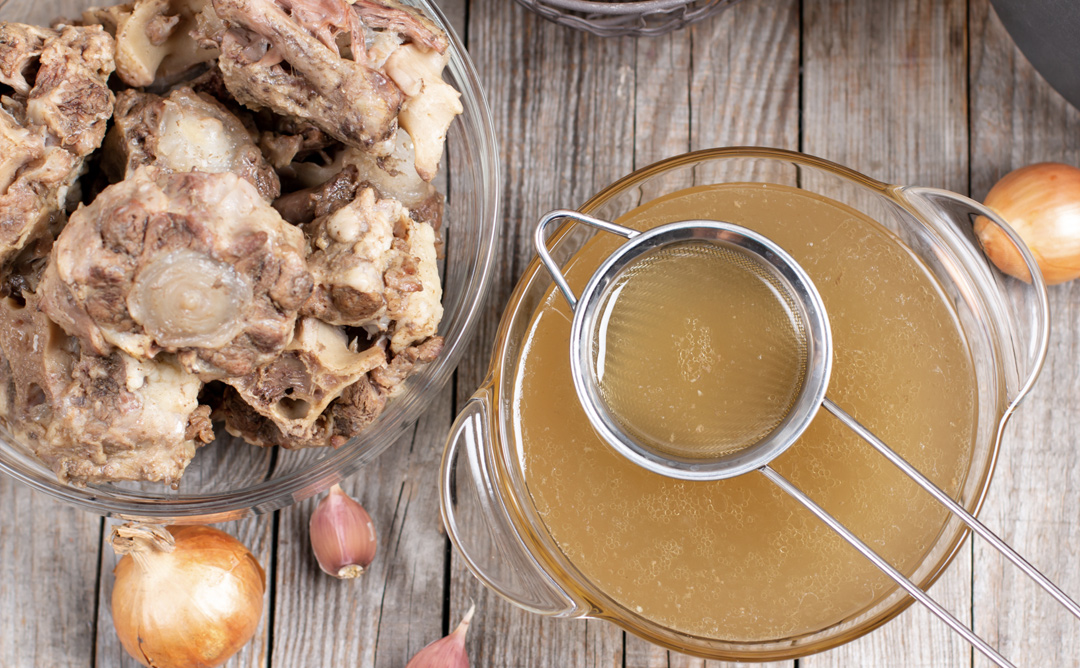
My beacon of hope? Bone broth. Let’s delve into the rich array of benefits that bone broth offers and uncover why it deserves a place of honor in your diet.

1.Rich in Nutrients: Bone broth is a nutritional powerhouse, packed with essential vitamins, minerals, and amino acids. It contains collagen, gelatin, calcium, magnesium, phosphorus, and potassium, among other vital nutrients, which support overall health and well-being.

2. Supports Gut Health: The gelatin and amino acids found in bone broth are gentle on the digestive system and may help soothe and repair the gut lining. Regular consumption of bone broth can promote gut integrity, improve digestion, and alleviate symptoms of conditions like leaky gut syndrome and irritable bowel syndrome (IBS).

3. Boosts Immunity: The amino acids present in bone broth, such as glutamine and arginine, have immune-boosting properties that support the body’s defense mechanisms. Additionally, the rich array of nutrients in bone broth nourishes the immune system, helping to ward off infections and illnesses.

4. Promotes Joint Health: Collagen and gelatin, abundant in bone broth, provide building blocks for healthy joints, ligaments, and tendons. Regular consumption of bone broth may help reduce joint pain, inflammation, and stiffness, making it a valuable ally for those with arthritis or other joint-related conditions.

5. Supports Skin Health: Collagen, the main protein in bone broth, plays a crucial role in maintaining skin elasticity, hydration, and firmness. Incorporating bone broth into your diet can help promote youthful-looking skin, reduce the appearance of wrinkles, and support overall skin health.

6. Aids in Weight Loss: Bone broth is low in calories yet rich in nutrients, making it an excellent addition to a weight loss or maintenance regimen. The gelatin in bone broth promotes feelings of satiety, helping to curb cravings and support healthy weight management.

7. Promotes Detoxification: The amino acids and minerals in bone broth support the body’s natural detoxification processes, aiding in the elimination of toxins and metabolic waste. Regular consumption of bone broth can help support liver function and promote overall detoxification.

Let’s talk about steroids, shall we? There’s no denying their effectiveness—they get the job done, no doubt about it. But let’s not overlook the elephant in the room: those side effects. They’re not to be taken lightly, especially with prolonged usage. I’ve had my fair share of encounters with steroids over the years, and trust me, I’ve experienced firsthand the laundry list of health issues they can bring about.

1. Adverse Effects on Physical Health: Prolonged or excessive steroid use can wreak havoc on various bodily systems. Common physical side effects include liver damage, cardiovascular complications such as heart attacks and strokes, hypertension, and increased cholesterol levels. Steroids can also disrupt hormone levels, leading to hormonal imbalances, infertility, and sexual dysfunction.

2. Musculoskeletal Issues: While steroids may initially enhance muscle growth and strength, their long-term use can weaken ligaments and tendons, increasing the risk of injuries such as tendon ruptures and muscle tears. Additionally, steroid-induced muscle hypertrophy may be accompanied by muscle dysmorphia, a psychological condition characterized by distorted body image and excessive preoccupation with muscularity.

3. Endocrine Disruption: Steroids interfere with the body’s natural hormone production, particularly the hypothalamic-pituitary-adrenal (HPA) axis. Prolonged steroid use can suppress the production of cortisol, leading to adrenal insufficiency and adrenal crisis—a life-threatening condition characterized by severe fatigue, dehydration, and electrolyte imbalances.

4. Psychological Effects: The use of steroids can have profound psychological consequences, including mood swings, irritability, aggression, and depression. Some individuals may experience steroid-induced psychosis, marked by hallucinations, delusions, and impaired judgment. Steroid misuse can also exacerbate underlying mental health conditions or trigger the onset of psychiatric disorders.

5. Addiction and Dependence: Steroid abuse can lead to psychological dependence and addiction, characterized by compulsive drug-seeking behavior and withdrawal symptoms upon discontinuation. Individuals may experience cravings, insomnia, fatigue, and depression when attempting to quit steroids, further perpetuating the cycle of misuse.

6. Legal Ramifications: In addition to its adverse health effects, steroid use carries legal implications. The non-medical use of steroids is illegal in many countries and may result in fines, legal sanctions, and criminal charges. Athletes who test positive for banned substances face suspension, disqualification, and tarnished reputations.

From supporting gut health to promoting joint mobility and enhancing skin radiance, bone broth offers a plethora of benefits that nourish the body from the inside out. To battle inflammation I recommend ingesting bone broth every day. For me, it’s easiest to take it in the form of protein. My favorite brand is Ancient Nutrition developed by Dr. Josh Axe, one of my favorite holistic physicians. Here’s the link: https://amzn.to/49eVTH7  Take a look around! There’s a few flavors to choose from!
Here is also a homemade recipe from a member (thank you Alonda Manzer)  in our Facebook Group: 

Join Our Facebook Group

We have a wonderful group of passionate members dedicated to natural healing and sharing!
??
Together, we explore the wonders of herbal remedies, seasonal recipes, food conservation, mindfulness, sustainable living, and everything in between.  Join our shared mission of promoting natural healing, self-care, and well-being. Your contributions matter, and together, we are creating a healthier, happier life.

Disclaimer: We are an affiliate of many companies, which means that we may receive a commission if you click on our affiliate link and make a purchase. However, this does not affect our reviews and comparisons. We strive to provide honest opinions and recommendations based on our own experiences and research. Any product claim, statistic, quote, or other representation about a product or service should be verified with the manufacturer, provider, or party in question.

Exploring Natural Alternatives to Stress

Exploring Natural Alternatives to Stress

Exploring Natural Alternatives to Stress

Finding Balance: Exploring Natural Alternatives to Stress

In observance of Stress Awareness Month, I’m eager to delve into the realm of natural alternatives for stress management. Unlike pharmaceuticals prescribed daily, these alternatives offer minimal to no side effects. Personally, I understand the profound impact of medication-induced side effects, having grappled with years of anxiety disorder due to stress. While embracing natural alternatives demands more time and effort than simply popping a pill, the absence of adverse reactions makes it undeniably worthwhile. In fact, these alternatives have significantly reduced my stress levels. I’m thrilled to share with you some of the practices I incorporate regularly! So, let’s dive in, exploring these effective alternatives while also addressing the detrimental side effects associated with pharmaceuticals.

Exploring Natural Alternatives to Reduce Stress

  1. Mindfulness Meditation: Encourage mindfulness practices such as deep breathing exercises and meditation to promote relaxation and reduce stress levels. I love guided meditation and this is a great way to start if you have never meditated. “Headspace” is my favorite.
  2. Aromatherapy: Highlight the use of essential oils like lavender, chamomile, and bergamot, known for their calming and stress-relieving properties. Suggest diffusing these oils or incorporating them into a relaxing bath. My favorite oils are here: Guru Nanda and get $15 off of your first order!
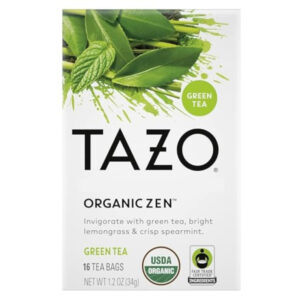
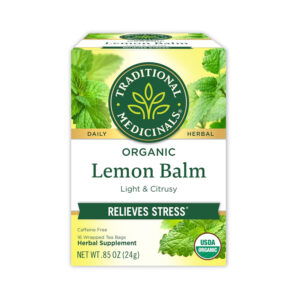
  3. Herbal Teas: Recommend soothing herbal teas such as chamomile, lemon balm, and passionflower, which can help alleviate stress and promote a sense of calm. My favorite tea to help me relax in the evenings is Davidson’s Earl Grey or Teechino Teas.
  4. Nature Walks: Emphasize the therapeutic benefits of spending time in nature. Encourage activities like hiking, forest bathing, or simply enjoying a leisurely stroll in a natural setting.
  5. Yoga and Tai Chi: Promote gentle movement practices like yoga and Tai Chi, which can help reduce stress, increase mindfulness, and improve overall well-being.
  6. Herbal Supplements: Discuss the potential benefits of herbal supplements such as ashwagandha, holy basil, and rhodiola rosea, which are known for their adaptogenic properties and ability to support the body’s response to stress. I love Apothekary and they have the best tincture that you can take for immediate stress relief! It’s Take the Edge Off and it’s so versatile. You can add it to water, juice, or club soda or you can simply put it directly on your tongue.
  7. Massage Therapy: Highlight the stress-relieving benefits of massage therapy, whether it’s through professional massage sessions or self-massage techniques using techniques like acupressure or reflexology.
  8. Art Therapy: Explore the therapeutic benefits of engaging in creative activities like painting, drawing, or crafting, which can help reduce stress and promote relaxation.
  9. Music Therapy: Discuss the calming effects of music on the mind and body. Encourage listening to soothing music or even exploring activities like singing or playing musical instruments as a form of stress relief.
  10. Journaling: Advocate for the practice of journaling as a way to express thoughts and emotions, reflect on experiences, and gain insight into sources of stress and potential coping strategies. Here’s a great journal that also helps you keep up with nutritional daily habits: Gratitude Journal and the price is amazing!

It’s important to be aware of potential side effects when considering the use of benzodiazepines, which is one of the most common drugs on the market to reduce stress. I chose this form because I have personal experience with it. Here are some of the side effects: 

  1. Drowsiness: Benzodiazepines can cause drowsiness or excessive sleepiness, which may affect daily activities and cognitive function.
  2. Dizziness: Some individuals may experience feelings of dizziness or lightheadedness when taking benzodiazepines, especially when standing up quickly.
  3. Confusion: Benzodiazepines can impair cognitive function and cause confusion, particularly in older adults or at higher doses.
  4. Memory Problems: Short-term memory impairment is a common side effect of benzodiazepines, leading to difficulty recalling recent events or information.
  5. Poor Coordination: Benzodiazepines can affect motor skills and coordination, increasing the risk of falls and accidents.
  6. Tolerance and Dependence: Prolonged use of benzodiazepines can lead to tolerance, requiring higher doses to achieve the same effect, and physical dependence, resulting in withdrawal symptoms upon discontinuation.
  7. Respiratory Depression: In rare cases, benzodiazepines may cause respiratory depression, especially when combined with other central nervous system depressants like alcohol or opioids.
  8. Gastrointestinal Disturbances: Some individuals may experience gastrointestinal side effects such as nausea, vomiting, or constipation when taking benzodiazepines.
  9. Mood Changes: Benzodiazepines can alter mood and emotional responses, leading to symptoms such as irritability, agitation, or depression in some individuals.
  10. Paradoxical Reactions: In rare instances, benzodiazepines may cause paradoxical reactions, characterized by increased anxiety, agitation, or aggression instead of relaxation.

As someone who once relied on medication to cope with stress and anxiety, I can personally attest to the effectiveness of natural alternatives. Taking small steps is key; start by trying one approach at a time to gauge its impact on your stress levels. That’s how I began, and I highly recommend it. Once you start experiencing relief, you’ll find it difficult to turn back, and you’ll be motivated to explore more natural solutions. Additionally, it’s crucial to consult your doctor before trying any new alternatives, especially when it comes to herbal remedies. My hope is that this insight has shed light on the myriad natural options available for managing stress. Feel free to reach out with any further questions you may have—I’m here to help!

Join Our Facebook Group

We have a wonderful group of passionate members dedicated to natural healing and sharing!
??
Together, we explore the wonders of herbal remedies, seasonal recipes, food conservation, mindfulness, sustainable living, and everything in between.  Join our shared mission of promoting natural healing, self-care, and well-being. Your contributions matter, and together, we are creating a healthier, happier life.

Disclaimer: We are an affiliate of many companies, which means that we may receive a commission if you click on our affiliate link and make a purchase. However, this does not affect our reviews and comparisons. We strive to provide honest opinions and recommendations based on our own experiences and research. Any product claim, statistic, quote, or other representation about a product or service should be verified with the manufacturer, provider, or party in question.

Companion Planting for a Thriving Garden

Companion Planting for a Thriving Garden

Companion Gardening for a Thriving Garden

Companion Planting: Your Guide to a Thriving Garden

Gardening is not just about planting your favorite flowers and vegetables; it’s the art of creating a harmonious ecosystem where plants support and enhance each other’s growth. This age-old practice, known as companion planting, is a natural way to maximize the health and productivity of your garden. By carefully selecting and positioning plants that have beneficial relationships, you can create a flourishing garden that is more resilient to pests, diseases, and environmental stresses. Let’s delve into the world of companion planting and uncover how certain plant combinations can lead to a thriving garden.

The Benefits of Companion Planting

Companion planting offers a plethora of benefits for your garden, from pest control to improved growth and flavor. Here are a few key advantages:

  • Natural Pest Deterrent: Certain plants emit fragrances or chemicals that repel garden pests, protecting neighboring plants. For instance, marigolds emit a scent that deters nematodes and aphids, making them excellent companions for tomatoes and peppers.
  • Enhanced Growth: Some plant combinations can actually stimulate growth. Tall plants, like corn, can provide shade for sun-sensitive lower-growing plants, such as lettuce, helping them to thrive.
  • Improved Flavor: Surprisingly, the presence of certain plants can enhance the flavor of their garden neighbors. Basil is known to improve the taste of tomatoes when planted nearby.
  • Attract Beneficial Insects: Flowers like lavender and yarrow attract beneficial insects, including bees and ladybugs, which are crucial for pollination and natural pest control.

Genius Plant Combinations

Companion planting can significantly enhance your garden’s health and productivity. Here are the top 10 genius plant combinations, along with explanations of why they work so well together:

  1. Tomatoes and Basil
    • Why: Basil repels flies and mosquitoes while potentially improving the flavor of tomatoes. The aromatic herbs can also attract beneficial insects and pollinators, which can enhance overall garden health.
  2. Carrots and Onions
    • Why: The strong scent of onions, leeks, and chives can deter carrot flies, while carrots can repel onion flies and aphids, offering mutual protection against pests.
  3. Corn, Beans, and Squash (The Three Sisters)
    • Why: This traditional Native American trio supports each other; corn provides a structure for beans to climb, beans fix nitrogen in the soil to nourish corn and squash, and squash spreads out to shade the ground, keeping it moist and weed-free.
  4. Cucumbers and Nasturtiums
    • Why: Nasturtiums are a trap crop for pests like cucumber beetles and can enhance cucumber’s growth and flavor. They also attract pollinators and can add a peppery flavor to salads.
  5. Lettuce and Tall Flowers or Herbs (like Sunflowers or Dill)
    • Why: Tall plants provide shade for lettuce, which thrives in cooler temperatures, reducing the risk of bolting in hot weather. They can also attract beneficial insects that help control lettuce pests.
  6. Peas and Carrots
    • Why: Peas enrich the soil with nitrogen, which carrots need for growth. Their differing root depths mean they don’t compete for nutrients, making them excellent garden partners.
  7. Cabbage and Dill
    • Why: Dill attracts beneficial wasps that prey on many cabbage pests, including cabbage worms. This combination helps to naturally reduce pest populations without the need for chemical pesticides.
  8. Spinach and Strawberries
    • Why: Planting spinach around strawberries can help keep the ground moist and weed-free. Spinach benefits from the light shade provided by strawberry plants, which can enhance its growth.
  9. Garlic and Roses
    • Why: Garlic can repel rose pests, including aphids and can help prevent fungal diseases. The strong scent of garlic is thought to mask the aroma of roses, making them less attractive to pests.
  10. Marigolds and Just About Everything
    • Why: Marigolds are incredibly versatile companion plants. They repel nematodes, aphids, and many other pests through their roots and fragrance. Planting them throughout the garden can provide broad-spectrum protection for a wide variety of crops.

These combinations are beneficial for a variety of reasons, including pest control, improved growth and flavor, and soil health. Incorporating these partnerships into your garden plan can lead to a healthier, more productive, and more vibrant garden ecosystem.

Tips for Incorporating Companion Planting into Your Garden

  1. Start Small: If you’re new to companion planting, start with a few combinations and observe the results. This approach will allow you to learn what works best in your garden without overwhelming yourself.
  2. Plan Your Garden Layout: Before planting, sketch a layout of your garden, keeping companion plants close to each other. This planning phase is crucial for maximizing the benefits of companion planting.
  3. Rotate Crops Annually: To prevent soil depletion and pest buildup, rotate your plant combinations each year. This practice keeps the soil healthy and pests at bay.
  4. Mix and Match: Don’t be afraid to experiment with different combinations to see what works best. The beauty of gardening is discovering new synergies and solutions through trial and error.

Companion Planting for a Thriving Garden is a smart approach to promoting a healthier, more productive garden by harnessing the natural relationships between plants. By implementing these strategies, you’ll not only enjoy a vibrant and thriving garden but also contribute to a more sustainable gardening practice. Happy planting! 

Join Our Facebook Group

We have a wonderful group of passionate members dedicated to natural healing and sharing!
??
Together, we explore the wonders of herbal remedies, seasonal recipes, food conservation, mindfulness, sustainable living, and everything in between.  Join our shared mission of promoting natural healing, self-care, and well-being. Your contributions matter, and together, we are creating a healthier, happier life.

Disclaimer: We are an affiliate of many companies, which means that we may receive a commission if you click on our affiliate link and make a purchase. However, this does not affect our reviews and comparisons. We strive to provide honest opinions and recommendations based on our own experiences and research. Any product claim, statistic, quote, or other representation about a product or service should be verified with the manufacturer, provider, or party in question.