Stomp Inflammation with Bone Broth

Stomp Inflammation with Bone Broth

Stomp Inflammation with Bone Broth

 Stomp Inflammation with Bone Broth

Inflammation—oh, the trials and tribulations it brings. I’ve become quite the expert in navigating its relentless challenges, having grappled with gut issues, skin flare-ups, joint discomfort, and a host of other inflammatory woes. At one point, I found myself heavily reliant on medications to alleviate the pain, with opioids becoming my steadfast companion. Yet, when even they failed to provide relief, I turned to steroids, enduring their harsh side effects in exchange for a semblance of comfort.

However, as I delved deeper into the potential long-term repercussions of excessive steroid use, my concerns grew. I embarked on a relentless quest, scouring far and wide for an alternative solution to quell my inflammation before it spiraled out of control, necessitating a return to steroids. And here I stand, two years after liberating myself from 90% of my medications, including steroids, to share with you a revelation: there exists a potent remedy capable of taming inflammation, whether it manifests as arthritis, bursitis, eczema, rosacea, or gut issues.

My beacon of hope? Bone broth. Let’s delve into the rich array of benefits that bone broth offers and uncover why it deserves a place of honor in your diet.

1.Rich in Nutrients: Bone broth is a nutritional powerhouse, packed with essential vitamins, minerals, and amino acids. It contains collagen, gelatin, calcium, magnesium, phosphorus, and potassium, among other vital nutrients, which support overall health and well-being.

2. Supports Gut Health: The gelatin and amino acids found in bone broth are gentle on the digestive system and may help soothe and repair the gut lining. Regular consumption of bone broth can promote gut integrity, improve digestion, and alleviate symptoms of conditions like leaky gut syndrome and irritable bowel syndrome (IBS).

3. Boosts Immunity: The amino acids present in bone broth, such as glutamine and arginine, have immune-boosting properties that support the body’s defense mechanisms. Additionally, the rich array of nutrients in bone broth nourishes the immune system, helping to ward off infections and illnesses.

4. Promotes Joint Health: Collagen and gelatin, abundant in bone broth, provide building blocks for healthy joints, ligaments, and tendons. Regular consumption of bone broth may help reduce joint pain, inflammation, and stiffness, making it a valuable ally for those with arthritis or other joint-related conditions.

5. Supports Skin Health: Collagen, the main protein in bone broth, plays a crucial role in maintaining skin elasticity, hydration, and firmness. Incorporating bone broth into your diet can help promote youthful-looking skin, reduce the appearance of wrinkles, and support overall skin health.

6. Aids in Weight Loss: Bone broth is low in calories yet rich in nutrients, making it an excellent addition to a weight loss or maintenance regimen. The gelatin in bone broth promotes feelings of satiety, helping to curb cravings and support healthy weight management.

7. Promotes Detoxification: The amino acids and minerals in bone broth support the body’s natural detoxification processes, aiding in the elimination of toxins and metabolic waste. Regular consumption of bone broth can help support liver function and promote overall detoxification.

Let’s talk about steroids, shall we? There’s no denying their effectiveness—they get the job done, no doubt about it. But let’s not overlook the elephant in the room: those side effects. They’re not to be taken lightly, especially with prolonged usage. I’ve had my fair share of encounters with steroids over the years, and trust me, I’ve experienced firsthand the laundry list of health issues they can bring about.

1. Adverse Effects on Physical Health: Prolonged or excessive steroid use can wreak havoc on various bodily systems. Common physical side effects include liver damage, cardiovascular complications such as heart attacks and strokes, hypertension, and increased cholesterol levels. Steroids can also disrupt hormone levels, leading to hormonal imbalances, infertility, and sexual dysfunction.

2. Musculoskeletal Issues: While steroids may initially enhance muscle growth and strength, their long-term use can weaken ligaments and tendons, increasing the risk of injuries such as tendon ruptures and muscle tears. Additionally, steroid-induced muscle hypertrophy may be accompanied by muscle dysmorphia, a psychological condition characterized by distorted body image and excessive preoccupation with muscularity.

3. Endocrine Disruption: Steroids interfere with the body’s natural hormone production, particularly the hypothalamic-pituitary-adrenal (HPA) axis. Prolonged steroid use can suppress the production of cortisol, leading to adrenal insufficiency and adrenal crisis—a life-threatening condition characterized by severe fatigue, dehydration, and electrolyte imbalances.

4. Psychological Effects: The use of steroids can have profound psychological consequences, including mood swings, irritability, aggression, and depression. Some individuals may experience steroid-induced psychosis, marked by hallucinations, delusions, and impaired judgment. Steroid misuse can also exacerbate underlying mental health conditions or trigger the onset of psychiatric disorders.

5. Addiction and Dependence: Steroid abuse can lead to psychological dependence and addiction, characterized by compulsive drug-seeking behavior and withdrawal symptoms upon discontinuation. Individuals may experience cravings, insomnia, fatigue, and depression when attempting to quit steroids, further perpetuating the cycle of misuse.

6. Legal Ramifications: In addition to its adverse health effects, steroid use carries legal implications. The non-medical use of steroids is illegal in many countries and may result in fines, legal sanctions, and criminal charges. Athletes who test positive for banned substances face suspension, disqualification, and tarnished reputations.

From supporting gut health to promoting joint mobility and enhancing skin radiance, bone broth offers a plethora of benefits that nourish the body from the inside out. To battle inflammation I recommend ingesting bone broth every day. For me, it’s easiest to take it in the form of protein. My favorite brand is Ancient Nutrition developed by Dr. Josh Axe, one of my favorite holistic physicians. Here’s the link: https://amzn.to/49eVTH7  Take a look around! There’s a few flavors to choose from!
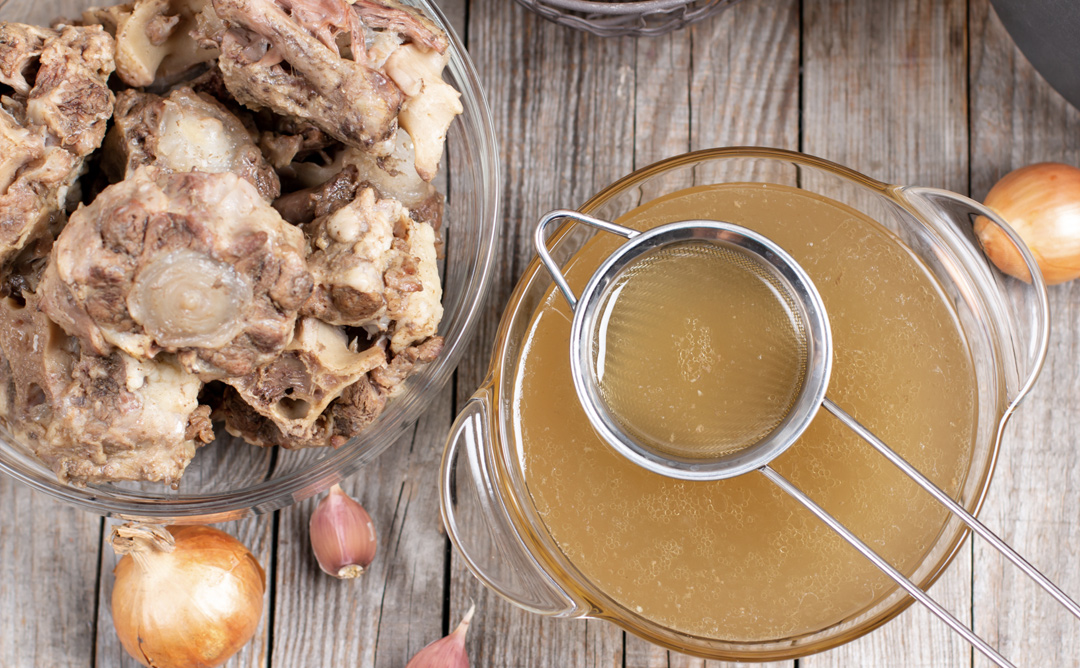
Here is also a homemade recipe from a member (thank you Alonda Manzer)  in our Facebook Group: 

Join Our Facebook Group

We have a wonderful group of passionate members dedicated to natural healing and sharing!
??
Together, we explore the wonders of herbal remedies, seasonal recipes, food conservation, mindfulness, sustainable living, and everything in between.  Join our shared mission of promoting natural healing, self-care, and well-being. Your contributions matter, and together, we are creating a healthier, happier life.

Disclaimer: We are an affiliate of many companies, which means that we may receive a commission if you click on our affiliate link and make a purchase. However, this does not affect our reviews and comparisons. We strive to provide honest opinions and recommendations based on our own experiences and research. Any product claim, statistic, quote, or other representation about a product or service should be verified with the manufacturer, provider, or party in question.

Exploring Natural Alternatives to Stress

Exploring Natural Alternatives to Stress

Exploring Natural Alternatives to Stress

Finding Balance: Exploring Natural Alternatives to Stress

In observance of Stress Awareness Month, I’m eager to delve into the realm of natural alternatives for stress management. Unlike pharmaceuticals prescribed daily, these alternatives offer minimal to no side effects. Personally, I understand the profound impact of medication-induced side effects, having grappled with years of anxiety disorder due to stress. While embracing natural alternatives demands more time and effort than simply popping a pill, the absence of adverse reactions makes it undeniably worthwhile. In fact, these alternatives have significantly reduced my stress levels. I’m thrilled to share with you some of the practices I incorporate regularly! So, let’s dive in, exploring these effective alternatives while also addressing the detrimental side effects associated with pharmaceuticals.

Exploring Natural Alternatives to Reduce Stress

  1. Mindfulness Meditation: Encourage mindfulness practices such as deep breathing exercises and meditation to promote relaxation and reduce stress levels. I love guided meditation and this is a great way to start if you have never meditated. “Headspace” is my favorite.
  2. Aromatherapy: Highlight the use of essential oils like lavender, chamomile, and bergamot, known for their calming and stress-relieving properties. Suggest diffusing these oils or incorporating them into a relaxing bath. My favorite oils are here: Guru Nanda and get $15 off of your first order!
  3. Herbal Teas: Recommend soothing herbal teas such as chamomile, lemon balm, and passionflower, which can help alleviate stress and promote a sense of calm. My favorite tea to help me relax in the evenings is Davidson’s Earl Grey or Teechino Teas.
  4. Nature Walks: Emphasize the therapeutic benefits of spending time in nature. Encourage activities like hiking, forest bathing, or simply enjoying a leisurely stroll in a natural setting.
  5. Yoga and Tai Chi: Promote gentle movement practices like yoga and Tai Chi, which can help reduce stress, increase mindfulness, and improve overall well-being.
  6. Herbal Supplements: Discuss the potential benefits of herbal supplements such as ashwagandha, holy basil, and rhodiola rosea, which are known for their adaptogenic properties and ability to support the body’s response to stress. I love Apothekary and they have the best tincture that you can take for immediate stress relief! It’s Take the Edge Off and it’s so versatile. You can add it to water, juice, or club soda or you can simply put it directly on your tongue.
  7. Massage Therapy: Highlight the stress-relieving benefits of massage therapy, whether it’s through professional massage sessions or self-massage techniques using techniques like acupressure or reflexology.
  8. Art Therapy: Explore the therapeutic benefits of engaging in creative activities like painting, drawing, or crafting, which can help reduce stress and promote relaxation.
  9. Music Therapy: Discuss the calming effects of music on the mind and body. Encourage listening to soothing music or even exploring activities like singing or playing musical instruments as a form of stress relief.
  10. Journaling: Advocate for the practice of journaling as a way to express thoughts and emotions, reflect on experiences, and gain insight into sources of stress and potential coping strategies. Here’s a great journal that also helps you keep up with nutritional daily habits: Gratitude Journal and the price is amazing!

It’s important to be aware of potential side effects when considering the use of benzodiazepines, which is one of the most common drugs on the market to reduce stress. I chose this form because I have personal experience with it. Here are some of the side effects: 

  1. Drowsiness: Benzodiazepines can cause drowsiness or excessive sleepiness, which may affect daily activities and cognitive function.
  2. Dizziness: Some individuals may experience feelings of dizziness or lightheadedness when taking benzodiazepines, especially when standing up quickly.
  3. Confusion: Benzodiazepines can impair cognitive function and cause confusion, particularly in older adults or at higher doses.
  4. Memory Problems: Short-term memory impairment is a common side effect of benzodiazepines, leading to difficulty recalling recent events or information.
  5. Poor Coordination: Benzodiazepines can affect motor skills and coordination, increasing the risk of falls and accidents.
  6. Tolerance and Dependence: Prolonged use of benzodiazepines can lead to tolerance, requiring higher doses to achieve the same effect, and physical dependence, resulting in withdrawal symptoms upon discontinuation.
  7. Respiratory Depression: In rare cases, benzodiazepines may cause respiratory depression, especially when combined with other central nervous system depressants like alcohol or opioids.
  8. Gastrointestinal Disturbances: Some individuals may experience gastrointestinal side effects such as nausea, vomiting, or constipation when taking benzodiazepines.
  9. Mood Changes: Benzodiazepines can alter mood and emotional responses, leading to symptoms such as irritability, agitation, or depression in some individuals.
  10. Paradoxical Reactions: In rare instances, benzodiazepines may cause paradoxical reactions, characterized by increased anxiety, agitation, or aggression instead of relaxation.

As someone who once relied on medication to cope with stress and anxiety, I can personally attest to the effectiveness of natural alternatives. Taking small steps is key; start by trying one approach at a time to gauge its impact on your stress levels. That’s how I began, and I highly recommend it. Once you start experiencing relief, you’ll find it difficult to turn back, and you’ll be motivated to explore more natural solutions. Additionally, it’s crucial to consult your doctor before trying any new alternatives, especially when it comes to herbal remedies. My hope is that this insight has shed light on the myriad natural options available for managing stress. Feel free to reach out with any further questions you may have—I’m here to help!

Join Our Facebook Group

We have a wonderful group of passionate members dedicated to natural healing and sharing!
??
Together, we explore the wonders of herbal remedies, seasonal recipes, food conservation, mindfulness, sustainable living, and everything in between.  Join our shared mission of promoting natural healing, self-care, and well-being. Your contributions matter, and together, we are creating a healthier, happier life.

Disclaimer: We are an affiliate of many companies, which means that we may receive a commission if you click on our affiliate link and make a purchase. However, this does not affect our reviews and comparisons. We strive to provide honest opinions and recommendations based on our own experiences and research. Any product claim, statistic, quote, or other representation about a product or service should be verified with the manufacturer, provider, or party in question.

Local Honey is a Natural Remedy for Seasonal Allergies

Local Honey is a Natural Remedy for Seasonal Allergies

The-Earth-Heals-Summer-Smoothie

Harnessing the Healing Power of Local Honey: A Natural Remedy for Seasonal Allergies

Ah, springtime—a season of longer, warmer days, the melodious chirping of birds, vibrant blooms adorning the landscape, and the return of lush greenery to the trees. Yet, amidst this picturesque scene, lurks the inevitable arrival of allergies. It seems only fitting that amidst the splendor of spring, there must be something to challenge our senses, doesn’t it? Without fail, every year brings the same challenge: itchy, watery eyes, a runny nose, and a sore throat—classic symptoms of seasonal allergies. However, amidst this annual struggle, I’ve discovered a secret weapon that makes a significant difference: honey! But not just any honey—local honey. Local honey is a sweet solution that holds the promise of relief from seasonal allergies. Let’s explore the benefits of local honey and its role in combating seasonal allergies.

Prize Winning Benefits:

  1. Immune System Support: Local honey is rich in antioxidants, enzymes, and beneficial nutrients that support a healthy immune system. Consuming honey sourced from your local area exposes your body to small amounts of pollen, acting as a natural immunotherapy and helping to build resilience against seasonal allergens.
  2. Allergy Symptom Relief: Regular consumption of local honey may help reduce the severity of allergy symptoms such as sneezing, runny nose, and itchy eyes. The gradual exposure to local pollen through honey consumption can desensitize the body’s immune response, leading to fewer allergic reactions over time.
  3. Anti-Inflammatory Properties: Honey contains anti-inflammatory compounds that can help soothe irritated mucous membranes and reduce inflammation associated with seasonal allergies. This can provide relief from congestion and respiratory discomfort caused by allergic reactions.
  4. Natural Energy Boost: In addition to its allergy-fighting properties, honey serves as a natural energy booster, providing a quick source of carbohydrates for the body. Incorporating local honey into your diet can help sustain energy levels and combat fatigue often associated with allergy symptoms.
  5. Supports Digestive Health: Local honey contains prebiotics, which promote the growth of beneficial bacteria in the gut. A healthy gut microbiome is essential for optimal immune function and may contribute to overall allergy resilience.

When selecting local honey for allergy relief, opt for raw, unfiltered varieties whenever possible. These retain the highest levels of pollen and enzymes, maximizing the potential allergy-fighting benefits. I choose local honey for my allergy needs because allergy medication just doesn’t cut it for me. I get way to many side effects while taking it that just aren’t worth it to me. Here’s some side effects you may be getting from your allergy medication.

A great place to start is supporting your local farmer’s markets. Take a look to see where your closest one is:
The Farmers Market Directory

Side effects from allergy medication may include:

  1. Drowsiness: Many over-the-counter and prescription allergy medications, particularly antihistamines, can cause drowsiness and sedation. This effect can impair concentration, coordination, and alertness, impacting daily activities and productivity.
  2. Dry Mouth: Some allergy medications, particularly antihistamines, can lead to dry mouth as a side effect. This occurs due to the medication’s anticholinergic properties, which can reduce saliva production and result in discomfort.
  3. Dizziness: Certain allergy medications may cause dizziness or lightheadedness, especially when standing up quickly or after prolonged use. This side effect can increase the risk of falls and accidents, particularly in older adults.
  4. Blurred Vision: In some cases, allergy medications may cause blurred vision or difficulty focusing. This side effect can affect visual acuity and may interfere with activities such as driving or reading.
  5. Nausea or Upset Stomach: Allergy medications, particularly those containing decongestants, can cause gastrointestinal side effects such as nausea, vomiting, or stomach upset. These symptoms may be more common with higher doses or prolonged use.
  6. Increased Heart Rate: Decongestants found in some allergy medications can stimulate the heart and increase heart rate and blood pressure. Individuals with cardiovascular conditions should use these medications cautiously and under medical supervision.
  7. Urinary Retention: Certain antihistamines and decongestants may interfere with bladder function, leading to difficulty urinating or urinary retention, particularly in men with prostate enlargement.

Local honey offers a natural and delicious approach to managing seasonal allergies. By incorporating this golden elixir into your daily routine, you can support your immune system, alleviate allergy symptoms, and embrace the healing power of nature. While local honey is not a cure-all for allergies, it serves as a valuable tool in the holistic arsenal of natural remedies, providing relief and promoting well-being in harmony with the seasons. Check out Margie Espe’s blog on nettle for allergies as well here: Nettle: Nature’s Remedy for Allergies

Join Our Facebook Group

We have a wonderful group of passionate members dedicated to natural healing and sharing!
??
Together, we explore the wonders of herbal remedies, seasonal recipes, food conservation, mindfulness, sustainable living, and everything in between.  Join our shared mission of promoting natural healing, self-care, and well-being. Your contributions matter, and together, we are creating a healthier, happier life.

Disclaimer: We are an affiliate of many companies, which means that we may receive a commission if you click on our affiliate link and make a purchase. However, this does not affect our reviews and comparisons. We strive to provide honest opinions and recommendations based on our own experiences and research. Any product claim, statistic, quote, or other representation about a product or service should be verified with the manufacturer, provider, or party in question.

The Miraculous Powers of Milk Thistle

The Miraculous Powers of Milk Thistle

Tea Tree Oil For A Healthy Scalp

The Miraculous Powers of Milk Thistle: A Gift from Nature

In the vast landscape of natural health remedies, Milk Thistle emerges as a beacon of wellness and historical veneration. Originating from the sun-soaked terrains of the Mediterranean, this herbaceous marvel mesmerizes onlookers with its vibrant purple flowers and distinctively marbled leaves, symbols of its unique identity in the plant kingdom. Far beyond its aesthetic allure, Milk Thistle has garnered acclaim for its remarkable medicinal properties, revered across civilizations for more than 2000 years. Celebrated primarily for its liver-supporting capabilities, this plant’s rich legacy is woven into the fabric of ancient healing practices, embodying a timeless treasure of natural medicine and wellness.

Why Choose Milk Thistle?
Milk Thistle isn’t merely a feast for the eyes; it’s a medicinal marvel packed with benefits that promise to bolster your health and well-being. Let’s delve into the myriad ways Milk Thistle can be your ally in health:

  1. Promoting Liver Health:
    The liver, our body’s detox powerhouse, finds a formidable friend in Milk Thistle. Renowned for its liver-supportive properties, Milk Thistle aids in detoxifying and regenerating liver cells. It’s an essential supplement for anyone seeking to heal or protect their liver, making it a staple in the pursuit of robust liver health.

  2. An Antioxidant Powerhouse:
    In the battle against oxidative stress and free radicals, Milk Thistle emerges as a champion. Rich in silymarin, it not only defends the liver but also armors the body against various ailments. Opt for a soothing cup of Milk Thistle tea to seamlessly integrate these antioxidants into your daily regimen.

  3. Enhancing Digestive Health:
    Milk Thistle supports digestive wellness by stimulating bile production and alleviating inflammation. Incorporating Milk Thistle oil into your diet can aid in digestive processes and contribute to a healthier gut, offering relief to those troubled by digestive issues.

  4. Improving Skin Health:
    The anti-inflammatory and detoxifying effects of Milk Thistle are a boon for the skin. Employing Milk Thistle-infused skincare products can assist in managing acne, eczema, and rosacea, paving the way for radiant, clear skin.

  5. Supporting Brain Health:
    Preliminary research indicates that the anti-inflammatory and antioxidant attributes of Milk Thistle may offer protection against neurodegenerative diseases. By incorporating Milk Thistle into your health routine, you could safeguard brain function and cognitive health.

Milk Thistle stands as a testament to nature’s healing prowess, offering a holistic approach to health that aligns with the wisdom of the earth. Whether through supplements, teas, or topical products, integrating Milk Thistle into your life can mark the beginning of a journey towards enhanced well-being.

Margie’s Pick:
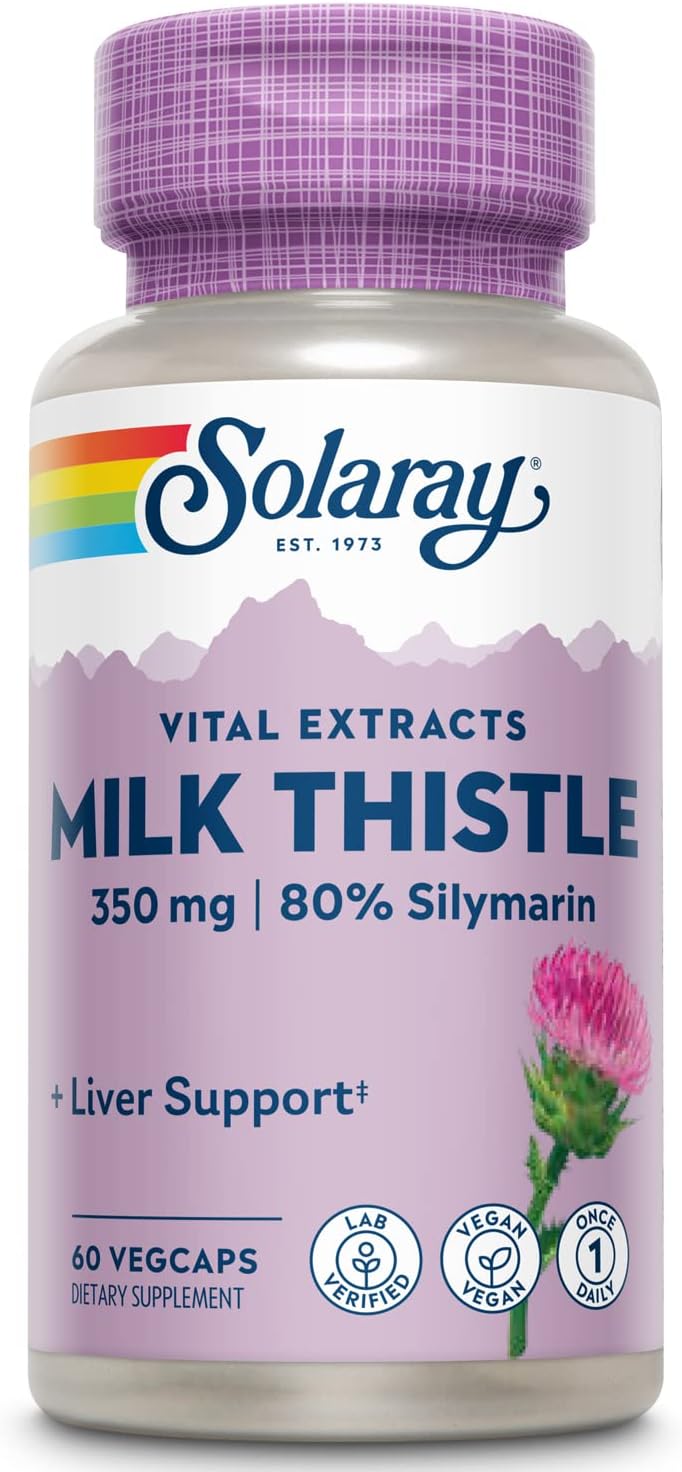
For those eager to embark on this journey, consider exploring
Margie’s recommended Milk Thistle supplement. Embrace the natural wellness path with Milk Thistle, and let nature’s healing touch guide you to better health.

GuruNanda Jamaican Black Castor Oil

$28.68

Join Our Facebook Group

We have a wonderful group of passionate members dedicated to natural healing and sharing!
??
Together, we explore the wonders of herbal remedies, seasonal recipes, food conservation, mindfulness, sustainable living, and everything in between.  Join our shared mission of promoting natural healing, self-care, and well-being. Your contributions matter, and together, we are creating a healthier, happier life.

Disclaimer: We are an affiliate of many companies, which means that we may receive a commission if you click on our affiliate link and make a purchase. However, this does not affect our reviews and comparisons. We strive to provide honest opinions and recommendations based on our own experiences and research. Any product claim, statistic, quote, or other representation about a product or service should be verified with the manufacturer, provider, or party in question.
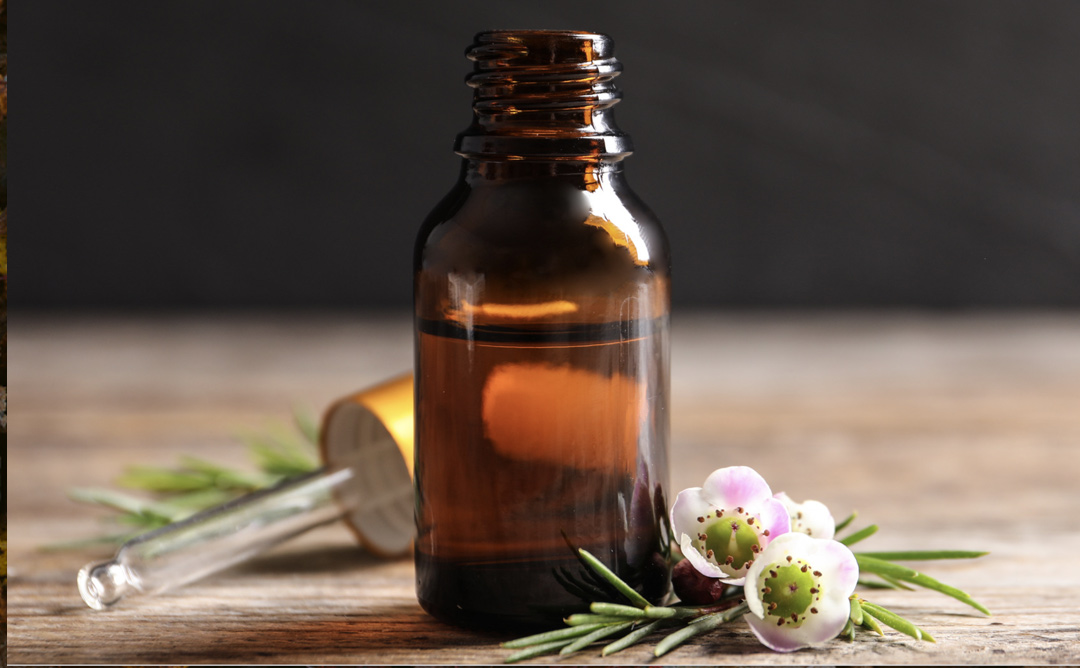
Tea Tree Oil For A Healthy Scalp

Tea Tree Oil For A Healthy Scalp

Tea Tree Oil For A Healthy Scalp

Tea Tree Oil For A Healthy Scalp: A Natural Elixir for Healthy Tresses

As a baby, the prospect of me having a full head of hair seemed unlikely. The early days were characterized by a bald appearance, leaving my parents wondering if hair would ever grace my scalp. However, when my hair did decide to make its grand appearance, it did so with vigor. The abundance of hair became a defining feature, but little did I anticipate the challenges that would accompany this luxurious mane. The sheer volume of hair brought about a new set of issues, with scalp irritation taking center stage because thoroughly rinsing out the product became a time-consuming task. Shower routines turned into lengthy sessions as I grappled with the challenge of rinsing out all the shampoo from my dense locks. It wasn’t just a matter of a quick wash and rinse; it became a test of endurance as my arms tired from the effort. 

After trying numerous options, I stumbled upon a game-changer that transformed my hair care routine—tea tree oil. The key was finding the right way to incorporate it into my shampoo regimen, and the result was nothing short of amazing. Initially, I experimented by adding a drop of tea tree oil directly to my shampoo. However, this approach proved to be less than ideal, as the oil tended to dominate the sudsing process, making it challenging to effectively wash my hair. Determined to make tea tree oil work for me, I adjusted my approach. Now, I wash my hair as usual with my regular shampoo. Every second shampoo, I introduce tea tree oil into the suds already present in my hair. The moment I massaged the tea tree oil into my scalp, I was astounded as the suds transformed. The oil seamlessly merged with the existing lather, creating a soothing and effective solution for my dry scalp. What truly amazed me was how easy it became to rinse out my hair. The enhanced suds, courtesy of the tea tree oil, made the rinsing process a breeze. No more struggling with tired arms or spending excessive time under the shower trying to eliminate shampoo residue.

Tea tree oil not only provided relief for my dry scalp but also contributed to the overall health of my scalp. Its antimicrobial properties and soothing effects became a welcomed addition to my hair care routine. Here’s all tea tree has to offer:

  1. Antimicrobial Power: Tea tree oil is renowned for its potent antimicrobial properties, making it a formidable ally against various scalp issues. It helps combat fungi, bacteria, and other microbes that can contribute to dandruff, itchiness, and inflammation.

  2. Dandruff Defense: The antifungal and antibacterial nature of tea tree oil makes it an effective solution for dandruff. Regular use can help reduce flakiness and itching, promoting a healthier scalp environment.

  3. Soothing Scalp Irritation: For those dealing with scalp irritation or redness, tea tree oil’s soothing properties can offer relief. It helps calm inflammation, providing comfort to individuals with sensitive or problematic scalps.

  4. Natural Oil Regulation: Striking the right balance of scalp oils is essential for overall hair health. Tea tree oil helps regulate the production of sebum, preventing excess oiliness or dryness and contributing to a balanced and nourished scalp.

  5. Hair Follicle Health: Tea tree oil can support the health of hair follicles, potentially promoting hair growth. By maintaining a clean and healthy scalp environment, tea tree oil contributes to optimal conditions for strong and vibrant hair.

  6. Combats Lice: The insecticidal properties of tea tree oil make it an effective, natural solution for dealing with head lice. When added to a carrier oil and applied to the scalp, tea tree oil can help eliminate these unwanted guests without the use of harsh chemicals.

*Caution and Dilution*

While tea tree oil offers numerous benefits, it’s essential to use it with caution. The oil is potent, and direct application can cause irritation. Always dilute tea tree oil with a carrier oil, such as coconut or jojoba oil, before applying it to your scalp.

In conclusion, tea tree oil stands as a natural powerhouse for promoting a healthy scalp. Whether you’re dealing with dandruff, irritation, or simply aiming to maintain optimal scalp health, incorporating tea tree oil into your hair care routine can be a transformative and invigorating experience. Embrace the goodness of nature and let tea tree oil become your go-to elixir for a scalp that radiates health and vitality.

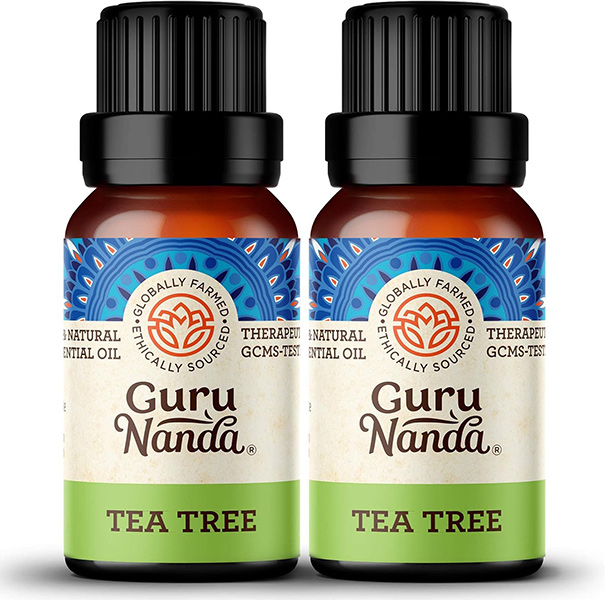
Here’s my favorite oil: Guru Nanda Tea Tree Oil


Join Our Facebook Group

We have a wonderful group of passionate members dedicated to natural healing and sharing!
??
Together, we explore the wonders of herbal remedies, seasonal recipes, food conservation, mindfulness, sustainable living, and everything in between.  Join our shared mission of promoting natural healing, self-care, and well-being. Your contributions matter, and together, we are creating a healthier, happier life.

Disclaimer: We are an affiliate of many companies, which means that we may receive a commission if you click on our affiliate link and make a purchase. However, this does not affect our reviews and comparisons. We strive to provide honest opinions and recommendations based on our own experiences and research. Any product claim, statistic, quote, or other representation about a product or service should be verified with the manufacturer, provider, or party in question.
Magnesium Glycinate vs. Sleeping Aids

Magnesium Glycinate vs. Sleeping Aids

The-Earth-Heals-Summer-Smoothie

Magnesium Glycinate vs. Sleeping Aids: Navigating the Path to Natural, Restful Sleep

As someone who once relied on a daily regimen of 17 medications to address various health issues, falling asleep was never a challenge for me. With the assistance of additional sleep medications, I could easily prepare for bedtime. However, when I made the decision to discontinue my medications, I encountered difficulties with sleep. It was during this time that I learned about magnesium glycinate and its remarkable effects from someone who had experienced its wonders. Intrigued, I decided to incorporate it into my routine, and I’ve been taking it every night since then. So why wouldn’t I want to tell the world how wonderful it truly is? Let’s do this!

In the quest for a good night’s sleep, the choice between natural alternatives and conventional sleeping aids can significantly impact not only the quality of your rest but also your overall well-being. One such natural remedy gaining attention is magnesium glycinate, renowned for its sleep-promoting properties. Let’s explore the benefits of magnesium glycinate for better sleep and compare it to traditional sleeping aids to help you make an informed choice for your natural healing journey.

The Pitfalls of Conventional Sleeping Aids:

1. Dependency and Tolerance: Traditional sleeping aids, whether over-the-counter or prescription, carry the risk of dependency and tolerance. Over time, the body may become accustomed to the sedative effects, necessitating higher doses for the same impact and increasing the likelihood of reliance.

2. Side Effects and Morning Grogginess: Many sleeping aids come with a list of potential side effects, including drowsiness, dizziness, and a lingering sense of grogginess upon waking. These aftereffects can impede daytime functioning and leave individuals feeling less than refreshed.

3. Disruption of Natural Sleep Cycles: Some sleeping aids may induce sleep but fail to support the natural sleep cycles essential for restorative rest. This disruption can lead to fragmented and less restful sleep, potentially contributing to long-term sleep issues.

4. Health Risks and Complications: Long-term use of sleeping aids has been associated with various health risks, including respiratory issues, cognitive impairment, and an increased susceptibility to accidents. The potential for adverse effects underscores the importance of seeking natural alternatives.

Magnesium Glycinate: Nature’s Sleep Supporter:

1. Calming Nervous System:
Magnesium glycinate supports the regulation of the nervous system, exerting a calming influence that helps ease tension and promote relaxation. This natural approach contributes to a more tranquil mental state conducive to sleep.

2. Muscle Relaxation:
Renowned for its muscle-relaxing properties, magnesium glycinate helps release tension in the body, alleviating physical stress that may interfere with a restful night’s sleep.

3. GABA Production:
Magnesium glycinate supports the production of GABA, a neurotransmitter known for its calming effects on the brain. This natural mechanism aids in reducing neuronal excitability, promoting relaxation and improved sleep quality.

4. Circadian Rhythm Regulation:
Maintaining a healthy circadian rhythm is essential for a well-regulated sleep-wake cycle. Magnesium glycinate influences the body’s internal clock, supporting a natural and consistent sleep pattern.

5. Gentle on the Digestive System:
Unlike some magnesium forms that may cause digestive discomfort, magnesium glycinate is gentle on the stomach, making it a well-tolerated option for those seeking a sleep aid without the risk of digestive issues.

Making an Informed Choice:

In the comparison between magnesium glycinate and conventional sleeping aids, the natural approach offered a compelling case for me while seeking a holistic and sustainable solution to sleep challenges. Embracing magnesium glycinate as a part of my nightly routine aligns with the principles of natural healing, supporting my body’s innate ability to achieve restful and rejuvenating sleep.

However, it’s essential to recognize that individual responses may vary, and consulting with a healthcare professional is advisable before introducing any new supplements or medications. By understanding the potential benefits of magnesium glycinate and weighing them against the risks associated with traditional sleeping aids, you can make an informed choice that aligns with your commitment to natural healing and overall well-being. Choose the path that not only leads to better sleep but also nurtures your body and mind in harmony with nature’s wisdom.

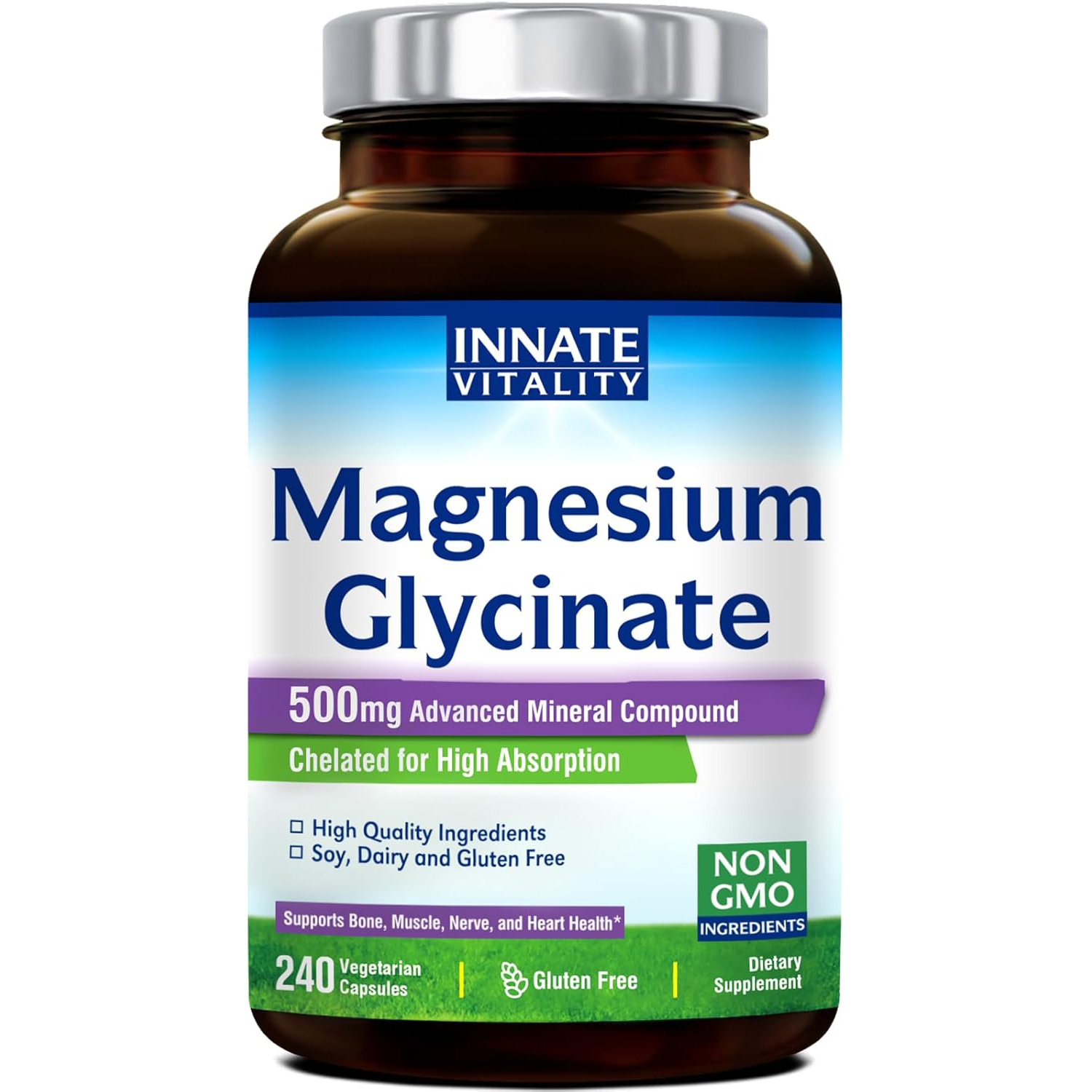
Here’s my favorite product: 

Join Our Facebook Group

We have a wonderful group of passionate members dedicated to natural healing and sharing!
??
Together, we explore the wonders of herbal remedies, seasonal recipes, food conservation, mindfulness, sustainable living, and everything in between.  Join our shared mission of promoting natural healing, self-care, and well-being. Your contributions matter, and together, we are creating a healthier, happier life.

Disclaimer: We are an affiliate of many companies, which means that we may receive a commission if you click on our affiliate link and make a purchase. However, this does not affect our reviews and comparisons. We strive to provide honest opinions and recommendations based on our own experiences and research. Any product claim, statistic, quote, or other representation about a product or service should be verified with the manufacturer, provider, or party in question.