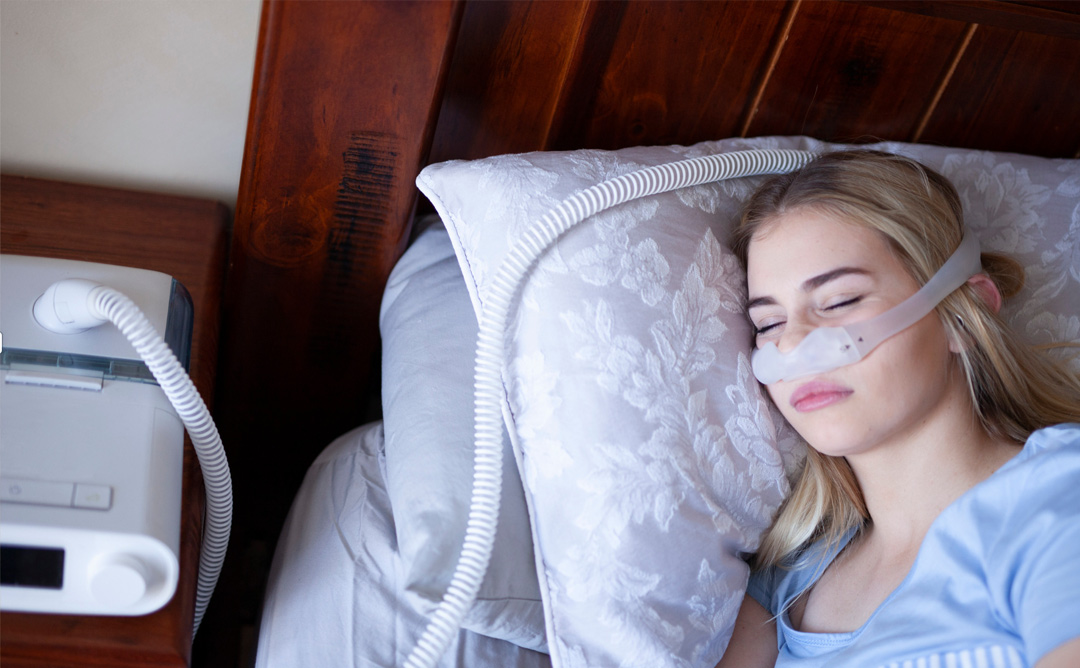
Sleep
Sleep
🌙 Choose YOU Series: The Science of Sleep (Backed by Research)
In the Choose YOU Series, we’ve talked about protein, movement, mindset, and habits.
But here’s the truth:
If sleep isn’t in place, nothing else works the way it should.
According to neuroscientist Dr. Matthew Walker, founder of the Center for Human Sleep Science at UC Berkeley, sleep impacts nearly every major system in the body — brain function, heart health, metabolism, hormones, emotional regulation, and longevity
“Sleep is the single most effective thing you can do to reset your brain and body health”
~Dr. Matthew Walker, PhD, Professor of Neuroscience and Psychology at the University of California, Berkeley and host of The Matt Walker Podcast, which focuses on the science and impact of sleep.
Sleep isn’t passive.
It’s active, biological repair.
Part 1: The Four Pillars of Sleep
When one pillar is weak, the others often wobble too.
1️⃣ Quantity of Sleep
How many hours you actually sleep
Choose YOU Self-Check
If this sounds like you, Quantity may be your weak pillar:
-
You regularly sleep under ~6–7 hours
-
You hit a mid-afternoon crash
-
You rely on caffeine to function
-
You get a “second wind” late at night
Real-Life Solutions (Quantity)
-
Reverse-engineer bedtime from your fixed wake time (not the other way around).
-
Set a “wind-down alarm” 60–90 minutes before bed.
-
Stop caffeine early enough that it’s not affecting your night, many people need a long buffer- no caffeine after 12N.
- Do not look at the clock
-
If you’re “busy at night,” move one small task earlier in the day and “buy back” 15 minutes of sleep at a time.
- If you know you have travel coming up, it is now known that you can bank sleep. This is different that trying to make up sleep.
Choose YOU goal: don’t chase perfect. Chase consistent. Wake Up At the Same Time Each Day.
2️⃣ Quality of Sleep
How restorative and uninterrupted your sleep is (including snoring/sleep apnea)
You can be in bed for 8 hours and still wake up exhausted. Quality includes:
-
How often you wake up
- What is the temperature (should be 67 degrees)
- How Dark is your room?
-
Whether you get deep sleep + REM
-
Whether your breathing stays steady all night
The overlooked Quality disruptor: snoring & sleep apnea
Snoring can be harmless, but it can also be a sign of sleep-disordered breathing, including obstructive sleep apnea. If breathing is interrupted, your sleep gets fragmented—even if you don’t remember waking.
Quality Red Flags (Self-Check)
-
You wake up tired even after 7–9 hours
-
Morning headaches or dry mouth
-
Loud snoring, gasping, or witnessed pauses in breathing
-
You wake frequently without knowing why
-
Daytime sleepiness or fog that doesn’t match your “hours”
Track it (simple + empowering)
If snoring is part of your story, track patterns with SnoreLab.
(You’ll often spot triggers: alcohol, congestion, sleep position, late meals, etc.)
Important: If you suspect sleep apnea, tracking helps—but medical evaluation (often a sleep study) is the right next step.
Real-Life Solutions (Quality)
-
Cool room (many people sleep better cooler)
-
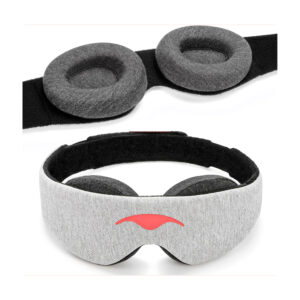
Truly dark environment (blackout curtains or mask)
-
White noise if sound wakes you
- Discontinue caffeine 8 hours before sleep
-
Avoid alcohol close to bedtime (often fragments sleep and reduces REM)
-
If awake > ~20 minutes, get up briefly and reset. Listen to a podcast, read a book. Return to bed when sleepy.
- Try a specialized pillow for sleep apnea
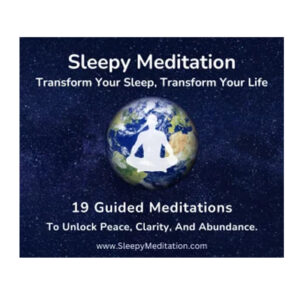
- Try guided meditations, a body scan, a familiar walk or adventure
3️⃣ Regularity of Sleep (This is the TOP Pillar)
The pillar that can move you from a “bad sleeper” to a great sleeper
If you do one thing to upgrade sleep, make it this:
✅ Protect your wake time (even on weekends)
Regularity anchors your circadian rhythm. When your rhythm stabilizes, many people notice:
-
Faster sleep onset
-
Fewer night awakenings
-
Better morning energy
-
Less “tired but wired”
-
More predictable mood and appetite
Why weekends matter
Sleeping in late on weekends creates social jet lag—your body clock shifts later, then Monday forces it early again. That back-and-forth is a major reason people feel groggy and off all week.
Choose YOU Rule (Regularity)
-
Keep your wake time within ~1 hour of your usual time—even on weekends.
-
If you had a short night, take a brief nap earlier (not a long late-day nap), then return to your routine.
This pillar alone is often what turns someone into a naturally great sleeper.
4️⃣ Timing of Sleep (Chronotype Alignment)
When you sleep relative to your biology
Not everyone is wired the same. Chronotypes are real and have biological roots.
Take the Morningness–Eveningness Questionnaire (MEQ) here: https://qxmd.com/calculate/calculator_829/morningness-eveningness-questionnaire-meq
Quick Chronotype Overview
-
🦁 Lion (Early Riser): sharp in the morning, sleepy earlier at night
-
🐻 Bear (Solar Rhythm): follows the sun; mid-morning peak, afternoon dip
-
🐺 Wolf (Night Owl): slow mornings; best energy and focus later in the day
-
🐬 Dolphin (Light/Sensitive Sleeper): lighter sleep, stress-sensitive, insomnia tendencies
-
🌤 Goldilocks (Flexible): adaptable; still benefits most from consistency
Key takeaway: You don’t need to “become” a morning person. You need a rhythm your body can trust. Some simple changes to your personal schedule are life changing.
PART II: Scientific Evidence
🧠 Sleep & Cognitive Performance
Sleep restriction impairs cognitive performance
Van Dongen, H.P.A., et al. (2003). The cumulative cost of additional wakefulness: Dose-response effects on neurobehavioral functions and sleep physiology. Sleep.
https://pubmed.ncbi.nlm.nih.gov/20148699/
Wakefulness comparable to alcohol intoxication
Williamson, A., & Feyer, A.M. (2000). Moderate sleep deprivation produces impairments equivalent to legally prescribed levels of alcohol intoxication. Occupational and Environmental Medicine.
https://pubmed.ncbi.nlm.nih.gov/11729077/
Sleep consolidates memory
Diekelmann, S., & Born, J. (2010). The memory function of sleep. Nature Reviews Neuroscience.
https://www.ncbi.nlm.nih.gov/pmc/articles/PMC2656292/
⚖️ Sleep, Appetite & Weight Regulation
Sleep restriction increases caloric intake
Nedeltcheva, A.V., et al. (2009). Insufficient sleep undermines dietary efforts to reduce adiposity. American Journal of Clinical Nutrition.
https://pubmed.ncbi.nlm.nih.gov/20368401/
Sleep curtailment alters leptin and ghrelin
Spiegel, K., et al. (2004). Brief communication: Sleep curtailment in healthy young men is associated with decreased leptin levels, elevated ghrelin levels, and increased hunger and appetite. Annals of Internal Medicine.
https://www.ncbi.nlm.nih.gov/pmc/articles/PMC4688118/
Short sleep associated with obesity risk (meta-analysis)
Cappuccio, F.P., et al. (2008). Meta-analysis of short sleep duration and obesity in children and adults. Sleep.
https://pubmed.ncbi.nlm.nih.gov/22882678/
❤️ Cardiovascular & Metabolic Health
Sleep duration & cardiovascular risk (Consensus Statement)
Watson, N.F., et al. (2015). Recommended amount of sleep for a healthy adult. Sleep.
https://pubmed.ncbi.nlm.nih.gov/29073398/
Sleep loss increases blood pressure
Dettoni, J.L., et al. (2012). Cardiovascular effects of partial sleep deprivation in healthy volunteers. Hypertension.
https://pubmed.ncbi.nlm.nih.gov/26621628/
Sleep restriction reduces insulin sensitivity / increases diabetes risk
Spiegel, K., et al. (1999). Impact of sleep debt on metabolic and endocrine function. The Lancet.
https://pubmed.ncbi.nlm.nih.gov/18252225/
🕰 Circadian Rhythm & Chronotype
Morningness–Eveningness Questionnaire (MEQ)
Horne, J.A., & Östberg, O. (1976). A self-assessment questionnaire to determine morningness-eveningness in human circadian rhythms. International Journal of Chronobiology.
(Validated modern tool access)
https://qxmd.com/calculate/calculator_829/morningness-eveningness-questionnaire-meq
NIH Circadian Biology Overview
National Institutes of Health. Circadian Rhythms.
https://www.ncbi.nlm.nih.gov/books/NBK27954/
Social jet lag & metabolic risk
Roenneberg, T., et al. (2012). Social jetlag and obesity. Current Biology.
https://pubmed.ncbi.nlm.nih.gov/25260561/
☕ Caffeine & Sleep
Caffeine 6 hours before bedtime disrupts sleep
Drake, C., et al. (2013). Caffeine effects on sleep taken 0, 3, or 6 hours before bedtime. Journal of Clinical Sleep Medicine.
https://pubmed.ncbi.nlm.nih.gov/21296892/
📱 Light & Melatonin
Blue light suppresses melatonin
Cajochen, C., et al. (2005). High sensitivity of human melatonin, alertness, thermoregulation, and heart rate to short wavelength light. Journal of Clinical Endocrinology & Metabolism.
https://pubmed.ncbi.nlm.nih.gov/16399872/
🍷 Alcohol & Sleep Architecture
Alcohol reduces REM and fragments sleep
Ebrahim, I.O., et al. (2013). Alcohol and sleep I: Effects on normal sleep. Alcoholism: Clinical and Experimental Research.
https://pubmed.ncbi.nlm.nih.gov/11082867/
😴 Insomnia & Behavioral Sleep Medicine
CBT-I is gold standard for chronic insomnia
Morin, C.M., et al. (2006). Psychological and behavioral treatment of insomnia. Sleep.
https://www.ncbi.nlm.nih.gov/pmc/articles/PMC2674715/
🛌 Snoring & Sleep Apnea Resources
SnoreLab (tracking tool)
https://www.snorelab.com/
American Academy of Sleep Medicine (Sleep Apnea Overview)
https://sleepeducation.org/sleep-disorders/sleep-apnea/
VIDEOS
World No.1 Sleep Expert: Magnesium Isn’t Helping You Sleep! This Habit Increases Heart Disease 57%!
Dr Matthew Walker is a Professor of Neuroscience and Psychology at the University of California, Berkeley, and one of the world’s leading experts on sleep science, with over 20 years of research. He is host of The Matt Walker Podcast and bestselling author of ‘Why We Sleep: The New Science of Sleep and Dreams’.
CREATOR of “THE SECRET” Reveals How The LAW of ATTRACTION Actually Works! ? | Rhonda Byrne
Dr Matthew Walker is a professor of neuroscience and psychology at the University of California, Berkeley. He is a public intellectual focused on the subject of sleep. As an academic, Walker has focused on the impact of sleep on human health.
Master Your Sleep & Be More Alert When Awake | Huberman Lab Essentials
This Essentials episode offers insights into what makes us sleepy, helps us sleep soundly, and feel awake and alert. It covers a wide range of tools for anyone looking to improve their sleep and wakefulness, with the science and reasoning behind each tool explained.
#1 SLEEP EXPERT: Your Brain Is Being Damaged Every Night (Simple Fix!)
How well did you sleep last night? Do you wake up feeling rested?
Today, Jay welcomes renowned neuroscientist, sleep expert, and bestselling author Dr. Matthew Walker to unpack the profound importance of sleep and how it shapes every facet of our health and wellbeing. Bestselling author of Why We Sleep, Dr. Matthew Walker brings scientific rigor and heartfelt clarity to one of the most misunderstood and underestimated aspects of our lives.
Sleep Doctor: If You Wake Up At 3AM, DO NOT Do This!
Are you always tired? Sleep Expert Dr. Michael Breus breaks down the 4 chronotypes to master your sleep, how to fix insomnia, the truth about sleep apnea, and why the 8-hour myth is wrong! Dr. Michael Breus is a clinical psychologist and a Diplomate of the American Board of Sleep Medicine. He has appeared on The Oprah Winfrey Show, served as a WebMD sleep expert, and is also the bestselling author of books such as, ‘Sleep Drink Breathe’.
PODCASTS
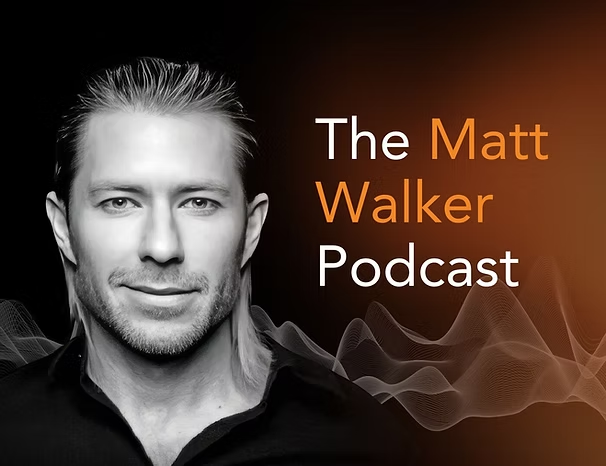
The Matt Walker Podcast
by Dr. Matt Walker, PHD
The Matt Walker Podcast is all about sleep, the brain, and the body. Matt is an awkward British nerd who adores science and the communication of science to the public (mostly in an inelegant manner!) hence the podcast. Click on the picture of Matt below to take you to a list of all the episodes and where you can listen to them!
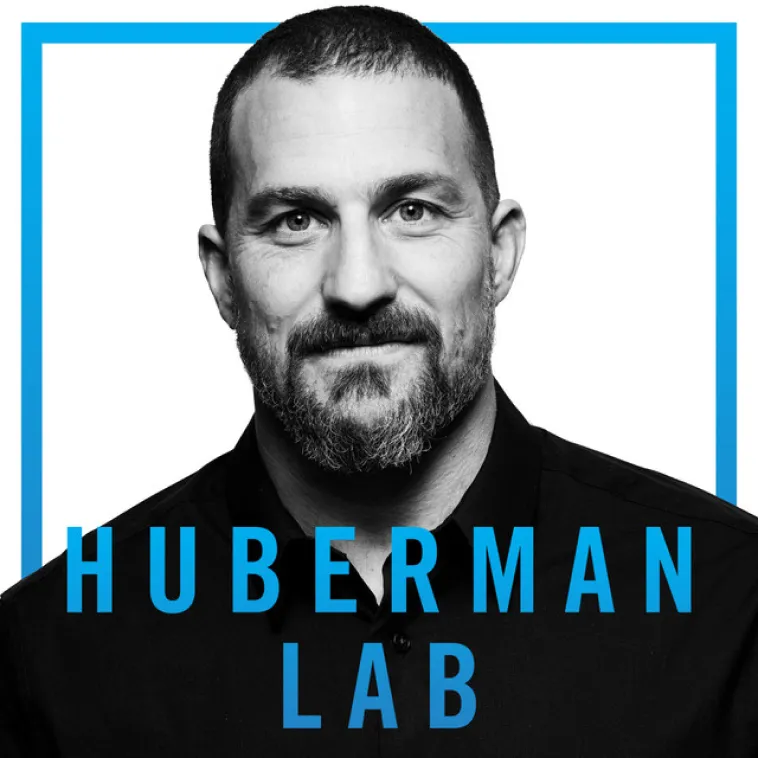
Huberman Lab
by Dr. Andrew Huberman
Regularly ranked as the No. 1 health podcast in the world, Dr. Andrew Huberman discusses science and science-based tools for everyday life. New episodes are released every Monday and Thursday.
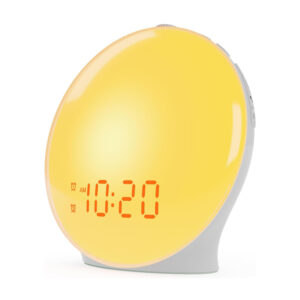
Products We Love





ARTICLES





FAQs for Manifestation & The Law if Attraction
What is manifestation?
Manifestation is the process of turning your thoughts, beliefs, and intentions into reality. It’s about consciously creating your life by aligning your energy, emotions, and actions with what you want to call in. Whether it’s healing, abundance, love, or clarity — manifestation begins within. ✨
What is the Law of Attraction?
The Law of Attraction is the universal principle that like attracts like. The energy you emit through your thoughts, emotions, and beliefs attracts similar energy back to you. When you focus on gratitude, joy, and possibility — you naturally align with experiences that reflect that frequency.
How do I start manifesting intentionally?
Start with clarity and belief. Here’s a simple process:
-
Set a clear, heart-centered intention
-
Visualize it as already done — feel it, see it, believe it
-
Release resistance — let go of doubt, fear, and timelines
-
Take aligned action — follow inspired nudges
-
Practice gratitude — even before it arrives
Consistency, trust, and openness are key.
Can I manifest anything I want?
You can manifest anything that is aligned with your highest good and the vibration you hold. However, manifestation isn’t about controlling outcomes — it’s about co-creating with the universe. Sometimes what shows up is even better than what you asked for. The more in alignment you are, the more effortlessly things unfold.
How does energy or vibration play into manifestation?
Your vibration is the frequency you radiate — shaped by your emotions, thoughts, and habits. Manifestation happens when your energy is in harmony with what you desire. If you want to manifest peace, you must feel peace. If you want abundance, cultivate the energy of abundance in your body and mind.
What tools support the manifestation process?
There are many gentle, supportive tools to amplify your intentions:
-
Journaling or scripting as if your desires have already come true
-
Vision boards to keep your focus aligned
-
Crystals like citrine (abundance), clear quartz (amplification), and rose quartz (love)
-
Essential oils like frankincense, orange, or cinnamon
-
Herbs like bay leaf (for writing wishes), mugwort (for clarity), or cinnamon (to call in success)
Ritual and intention are powerful partners in manifestation. ?
Why isn't my manifestation working?
It might be due to:
-
Limiting beliefs or inner resistance
-
Impatience or attachment to outcome
-
Misalignment between your energy and your desire
-
Lack of inspired action
Be gentle with yourself. Manifestation is also a process of healing — the Universe may be preparing you or guiding you to grow into the version of you who can hold what you’ve asked for. Trust divine timing.
How do I raise my vibration to manifest more easily?
Some natural, high-vibration practices include:
-
Practicing daily gratitude
-
Eating whole, vibrant foods
-
Spending time in nature
-
Moving your body with joy
-
Saying affirmations that align with your truth
-
Surrounding yourself with people and spaces that uplift you
When your vibration rises, your manifestations flow.