Sleep

Sleep

🌙 Choose YOU Series: The Science of Sleep (Backed by Research)

In the Choose YOU Series, we’ve talked about protein, movement, mindset, and habits.

But here’s the truth:
If sleep isn’t in place, nothing else works the way it should.
According to neuroscientist Dr. Matthew Walker, founder of the Center for Human Sleep Science at UC Berkeley, sleep impacts nearly every major system in the body — brain function, heart health, metabolism, hormones, emotional regulation, and longevity

“Sleep is the single most effective thing you can do to reset your brain and body health”
~Dr. Matthew Walker, PhD, Professor of Neuroscience and Psychology at the University of California, Berkeley and host of The Matt Walker Podcast, which focuses on the science and impact of sleep.

Sleep isn’t passive.

It’s active, biological repair.

Part 1: The Four Pillars of Sleep

When one pillar is weak, the others often wobble too.


1️⃣ Quantity of Sleep

How many hours you actually sleep

Most adults function best with 7–9 hours of sleep per night. Consistently getting less than that is linked to reduced focus, impaired cognitive performance, and a higher risk of numerous chronic health conditions.

Choose YOU Self-Check

If this sounds like you, Quantity may be your weak pillar:

  • You regularly sleep under ~6–7 hours

  • You hit a mid-afternoon crash

  • You rely on caffeine to function

  • You get a “second wind” late at night

Real-Life Solutions (Quantity)

  • Reverse-engineer bedtime from your fixed wake time (not the other way around).

  • Set a “wind-down alarm” 60–90 minutes before bed.

  • Stop caffeine early enough that it’s not affecting your night, many people need a long buffer- no caffeine after 12N.

  • Do not look at the clock 
  • If you’re “busy at night,” move one small task earlier in the day and “buy back” 15 minutes of sleep at a time.

  • If you know you have travel coming up, it is now known that you can bank sleep. This is different that trying to make up sleep. 

Choose YOU goal: don’t chase perfect. Chase consistent. Wake Up At the Same Time Each Day. 


2️⃣ Quality of Sleep

How restorative and uninterrupted your sleep is (including snoring/sleep apnea)

You can be in bed for 8 hours and still wake up exhausted. Quality includes:

  • How often you wake up

  • What is the temperature (should be 67 degrees)
  • How Dark is your room? 
  • Whether you get deep sleep + REM

  • Whether your breathing stays steady all night

The overlooked Quality disruptor: snoring & sleep apnea

Snoring can be harmless, but it can also be a sign of sleep-disordered breathing, including obstructive sleep apnea. If breathing is interrupted, your sleep gets fragmented—even if you don’t remember waking.

Quality Red Flags (Self-Check)

  • You wake up tired even after 7–9 hours

  • Morning headaches or dry mouth

  • Loud snoring, gasping, or witnessed pauses in breathing

  • You wake frequently without knowing why

  • Daytime sleepiness or fog that doesn’t match your “hours”

Track it (simple + empowering)

If snoring is part of your story, track patterns with SnoreLab
(You’ll often spot triggers: alcohol, congestion, sleep position, late meals, etc.)

Important: If you suspect sleep apnea, tracking helps—but medical evaluation (often a sleep study) is the right next step.

Real-Life Solutions (Quality)

  • Cool room (many people sleep better cooler)

  • Truly dark environment (blackout curtains or mask) 

  • White noise if sound wakes you 

  • Discontinue caffeine 8 hours before sleep 
  • Avoid alcohol close to bedtime (often fragments sleep and reduces REM)

  • If awake > ~20 minutes, get up briefly and reset. Listen to a podcast, read a book. Return to bed when sleepy. 

  • Try a specialized pillow for sleep apnea
  • Try guided meditations, a body scan, a familiar walk or adventure

3️⃣ Regularity of Sleep (This is the TOP Pillar) 

The pillar that can move you from a “bad sleeper” to a great sleeper

If you do one thing to upgrade sleep, make it this:

✅ Protect your wake time (even on weekends)

Regularity anchors your circadian rhythm. When your rhythm stabilizes, many people notice:

  • Faster sleep onset

  • Fewer night awakenings

  • Better morning energy

  • Less “tired but wired”

  • More predictable mood and appetite

Why weekends matter

Sleeping in late on weekends creates social jet lag—your body clock shifts later, then Monday forces it early again. That back-and-forth is a major reason people feel groggy and off all week.

Choose YOU Rule (Regularity)

  • Keep your wake time within ~1 hour of your usual time—even on weekends.

  • If you had a short night, take a brief nap earlier (not a long late-day nap), then return to your routine.

This pillar alone is often what turns someone into a naturally great sleeper.


4️⃣ Timing of Sleep (Chronotype Alignment)

When you sleep relative to your biology

Not everyone is wired the same. Chronotypes are real and have biological roots. 

Take the Morningness–Eveningness Questionnaire (MEQ) here: https://qxmd.com/calculate/calculator_829/morningness-eveningness-questionnaire-meq

Quick Chronotype Overview

  • 🦁 Lion (Early Riser): sharp in the morning, sleepy earlier at night

  • 🐻 Bear (Solar Rhythm): follows the sun; mid-morning peak, afternoon dip

  • 🐺 Wolf (Night Owl): slow mornings; best energy and focus later in the day

  • 🐬 Dolphin (Light/Sensitive Sleeper): lighter sleep, stress-sensitive, insomnia tendencies

  • 🌤 Goldilocks (Flexible): adaptable; still benefits most from consistency

Key takeaway: You don’t need to “become” a morning person. You need a rhythm your body can trust. Some simple changes to your personal schedule are life changing. 

PART II: Scientific Evidence

🧠 Sleep & Cognitive Performance

Sleep restriction impairs cognitive performance
Van Dongen, H.P.A., et al. (2003). The cumulative cost of additional wakefulness: Dose-response effects on neurobehavioral functions and sleep physiology. Sleep.
https://pubmed.ncbi.nlm.nih.gov/20148699/

Wakefulness comparable to alcohol intoxication
Williamson, A., & Feyer, A.M. (2000). Moderate sleep deprivation produces impairments equivalent to legally prescribed levels of alcohol intoxication. Occupational and Environmental Medicine.
https://pubmed.ncbi.nlm.nih.gov/11729077/

Sleep consolidates memory
Diekelmann, S., & Born, J. (2010). The memory function of sleep. Nature Reviews Neuroscience.
https://www.ncbi.nlm.nih.gov/pmc/articles/PMC2656292/


⚖️ Sleep, Appetite & Weight Regulation

Sleep restriction increases caloric intake
Nedeltcheva, A.V., et al. (2009). Insufficient sleep undermines dietary efforts to reduce adiposity. American Journal of Clinical Nutrition.
https://pubmed.ncbi.nlm.nih.gov/20368401/

Sleep curtailment alters leptin and ghrelin
Spiegel, K., et al. (2004). Brief communication: Sleep curtailment in healthy young men is associated with decreased leptin levels, elevated ghrelin levels, and increased hunger and appetite. Annals of Internal Medicine.
https://www.ncbi.nlm.nih.gov/pmc/articles/PMC4688118/

Short sleep associated with obesity risk (meta-analysis)
Cappuccio, F.P., et al. (2008). Meta-analysis of short sleep duration and obesity in children and adults. Sleep.
https://pubmed.ncbi.nlm.nih.gov/22882678/


❤️ Cardiovascular & Metabolic Health

Sleep duration & cardiovascular risk (Consensus Statement)
Watson, N.F., et al. (2015). Recommended amount of sleep for a healthy adult. Sleep.
https://pubmed.ncbi.nlm.nih.gov/29073398/

Sleep loss increases blood pressure
Dettoni, J.L., et al. (2012). Cardiovascular effects of partial sleep deprivation in healthy volunteers. Hypertension.
https://pubmed.ncbi.nlm.nih.gov/26621628/

Sleep restriction reduces insulin sensitivity / increases diabetes risk
Spiegel, K., et al. (1999). Impact of sleep debt on metabolic and endocrine function. The Lancet.
https://pubmed.ncbi.nlm.nih.gov/18252225/


🕰 Circadian Rhythm & Chronotype

Morningness–Eveningness Questionnaire (MEQ)
Horne, J.A., & Östberg, O. (1976). A self-assessment questionnaire to determine morningness-eveningness in human circadian rhythms. International Journal of Chronobiology.
(Validated modern tool access)
https://qxmd.com/calculate/calculator_829/morningness-eveningness-questionnaire-meq

NIH Circadian Biology Overview
National Institutes of Health. Circadian Rhythms.
https://www.ncbi.nlm.nih.gov/books/NBK27954/

Social jet lag & metabolic risk
Roenneberg, T., et al. (2012). Social jetlag and obesity. Current Biology.
https://pubmed.ncbi.nlm.nih.gov/25260561/


☕ Caffeine & Sleep

Caffeine 6 hours before bedtime disrupts sleep
Drake, C., et al. (2013). Caffeine effects on sleep taken 0, 3, or 6 hours before bedtime. Journal of Clinical Sleep Medicine.
https://pubmed.ncbi.nlm.nih.gov/21296892/


📱 Light & Melatonin

Blue light suppresses melatonin
Cajochen, C., et al. (2005). High sensitivity of human melatonin, alertness, thermoregulation, and heart rate to short wavelength light. Journal of Clinical Endocrinology & Metabolism.
https://pubmed.ncbi.nlm.nih.gov/16399872/


🍷 Alcohol & Sleep Architecture

Alcohol reduces REM and fragments sleep
Ebrahim, I.O., et al. (2013). Alcohol and sleep I: Effects on normal sleep. Alcoholism: Clinical and Experimental Research.
https://pubmed.ncbi.nlm.nih.gov/11082867/


😴 Insomnia & Behavioral Sleep Medicine

CBT-I is gold standard for chronic insomnia
Morin, C.M., et al. (2006). Psychological and behavioral treatment of insomnia. Sleep.
https://www.ncbi.nlm.nih.gov/pmc/articles/PMC2674715/


🛌 Snoring & Sleep Apnea Resources

SnoreLab (tracking tool)
https://www.snorelab.com/

American Academy of Sleep Medicine (Sleep Apnea Overview)
https://sleepeducation.org/sleep-disorders/sleep-apnea/

VIDEOS

World No.1 Sleep Expert: Magnesium Isn’t Helping You Sleep! This Habit Increases Heart Disease 57%!

Dr Matthew Walker is a Professor of Neuroscience and Psychology at the University of California, Berkeley, and one of the world’s leading experts on sleep science, with over 20 years of research. He is host of The Matt Walker Podcast and bestselling author of ‘Why We Sleep: The New Science of Sleep and Dreams’.

CREATOR of “THE SECRET” Reveals How The LAW of ATTRACTION Actually Works! ? | Rhonda Byrne

Dr Matthew Walker is a professor of neuroscience and psychology at the University of California, Berkeley. He is a public intellectual focused on the subject of sleep. As an academic, Walker has focused on the impact of sleep on human health.

Master Your Sleep & Be More Alert When Awake | Huberman Lab Essentials

This Essentials episode offers insights into what makes us sleepy, helps us sleep soundly, and feel awake and alert. It covers a wide range of tools for anyone looking to improve their sleep and wakefulness, with the science and reasoning behind each tool explained.

#1 SLEEP EXPERT: Your Brain Is Being Damaged Every Night (Simple Fix!)

How well did you sleep last night? Do you wake up feeling rested?
Today, Jay welcomes renowned neuroscientist, sleep expert, and bestselling author Dr. Matthew Walker to unpack the profound importance of sleep and how it shapes every facet of our health and wellbeing. Bestselling author of Why We Sleep, Dr. Matthew Walker brings scientific rigor and heartfelt clarity to one of the most misunderstood and underestimated aspects of our lives.

Sleep Doctor: If You Wake Up At 3AM, DO NOT Do This!

Are you always tired? Sleep Expert Dr. Michael Breus breaks down the 4 chronotypes to master your sleep, how to fix insomnia, the truth about sleep apnea, and why the 8-hour myth is wrong! Dr. Michael Breus is a clinical psychologist and a Diplomate of the American Board of Sleep Medicine. He has appeared on The Oprah Winfrey Show, served as a WebMD sleep expert, and is also the bestselling author of books such as, ‘Sleep Drink Breathe’.

PODCASTS
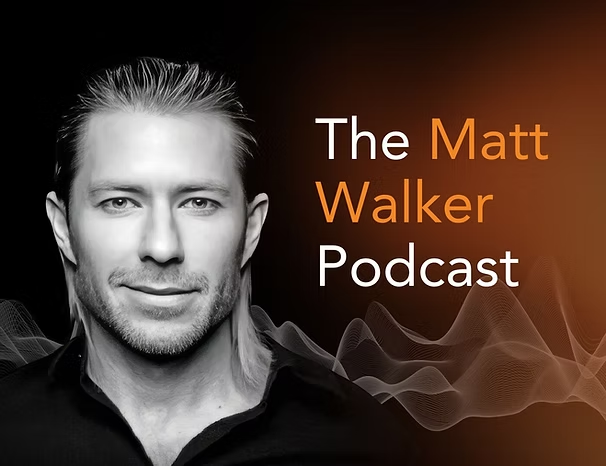
The Matt Walker Podcast

by Dr. Matt Walker, PHD

The Matt Walker Podcast is all about sleep, the brain, and the body. Matt is an awkward British nerd who adores science and the communication of science to the public (mostly in an inelegant manner!) hence the podcast. Click on the picture of Matt below to take you to a list of all the episodes and where you can listen to them!

Huberman Lab

by Dr. Andrew Huberman

Regularly ranked as the No. 1 health podcast in the world, Dr. Andrew Huberman discusses science and science-based tools for everyday life. New episodes are released every Monday and Thursday.


Products We Love

ARTICLES
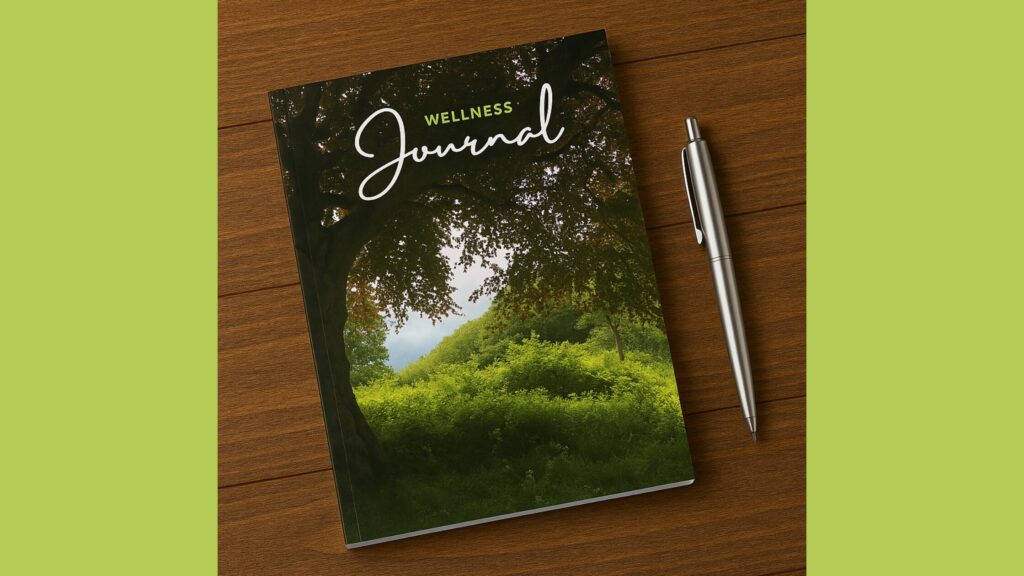
Journaling

What if I told you that a simple journal could be your counselor, your wellness coach, your nutritionist, and your best friend—all in one place? That’s the power of intentional journaling. It’s more than putting pen to paper—it’s a sacred daily...

|Sep 10, 2025

Innovative Mindfulness Meditation Tools

Innovative Mindfulness Meditation Tools

At The Earth Heals, our mission is to promote natural healing and mindfulness to help you lead a more balanced, peaceful life. That's why I'm thrilled to partner with Mindsight, a company that shares these values through their carefully crafted,...

|Sep 10, 2025

Embracing Self Care for Wellbeing

Embracing Self-Care in a Busy World

Embracing Self-Care in a Busy World: Nurturing Your Well-Being Naturally Why is it that it’s so easy to take care of everyone else but not take care of ourselves? In today's fast-paced world, self-care often takes a backseat as we juggle numerous...

|May 15, 2025

Nurturing Diabetes Health

Nurturing Diabetes Health: A Holistic Approach

Nurturing Diabetes Health: A Holistic Approach to Natural Healing In the realm of natural healing, embracing holistic approaches to managing diabetes is not just a choice; it's a lifestyle. Diabetes, a chronic condition affecting millions globally,...

|Nov 5, 2023

Mental Health

Mental Health: Embracing Natural Healing

Nurturing Minds: Embracing Natural Healing on World Mental Health Day World Mental Health Day, observed on October 10th every year, is a poignant reminder of the significance of mental well-being in our lives. In a world that often races ahead,...

|Oct 10, 2023

Candida Overgrowth

Candida Overgrowth – Restoring Balance Naturally

Candida Overgrowth:Restoring Balance Naturally Candida is a fungus that aids with nutrient absorption and digestion when it’s at proper levels in the body. There are many types of candida, but the most common (and the one we will cover here) is...

|Sep 22, 2023

Master Your Mindset: Unleashing the Power of Positive Thinking"

Master Your Mindset

"Master Your Mindset: Unleashing the Power of Positive Thinking" Discover the Power of a Positive Mindset Unlock your true potential and transform your life with the right mindset. Our free resources will help you cultivate a positive mindset that...

|Aug 22, 2023

The Power of Mindfulness

The Power of Mindfulness: Nurturing Awareness for a Healthy Mind, Body, and Spirit Mindfulness is the art of being fully present and aware of the present moment, without judgment. In this article, we will explore the transformative power of...

|Jul 17, 2023

FAQs for Manifestation & The Law if Attraction

What is manifestation?

Manifestation is the process of turning your thoughts, beliefs, and intentions into reality. It’s about consciously creating your life by aligning your energy, emotions, and actions with what you want to call in. Whether it’s healing, abundance, love, or clarity — manifestation begins within. ✨

What is the Law of Attraction?

The Law of Attraction is the universal principle that like attracts like. The energy you emit through your thoughts, emotions, and beliefs attracts similar energy back to you. When you focus on gratitude, joy, and possibility — you naturally align with experiences that reflect that frequency.

How do I start manifesting intentionally?

Start with clarity and belief. Here’s a simple process:

  1. Set a clear, heart-centered intention

  2. Visualize it as already done — feel it, see it, believe it

  3. Release resistance — let go of doubt, fear, and timelines

  4. Take aligned action — follow inspired nudges

  5. Practice gratitude — even before it arrives

Consistency, trust, and openness are key.

Can I manifest anything I want?

You can manifest anything that is aligned with your highest good and the vibration you hold. However, manifestation isn’t about controlling outcomes — it’s about co-creating with the universe. Sometimes what shows up is even better than what you asked for. The more in alignment you are, the more effortlessly things unfold.

How does energy or vibration play into manifestation?

Your vibration is the frequency you radiate — shaped by your emotions, thoughts, and habits. Manifestation happens when your energy is in harmony with what you desire. If you want to manifest peace, you must feel peace. If you want abundance, cultivate the energy of abundance in your body and mind.

What tools support the manifestation process?

There are many gentle, supportive tools to amplify your intentions:

  • Journaling or scripting as if your desires have already come true

  • Vision boards to keep your focus aligned

  • Crystals like citrine (abundance), clear quartz (amplification), and rose quartz (love)

  • Essential oils like frankincense, orange, or cinnamon

  • Herbs like bay leaf (for writing wishes), mugwort (for clarity), or cinnamon (to call in success)

Ritual and intention are powerful partners in manifestation. ?

Why isn't my manifestation working?

It might be due to:

  • Limiting beliefs or inner resistance

  • Impatience or attachment to outcome

  • Misalignment between your energy and your desire

  • Lack of inspired action

Be gentle with yourself. Manifestation is also a process of healing — the Universe may be preparing you or guiding you to grow into the version of you who can hold what you’ve asked for. Trust divine timing.

How do I raise my vibration to manifest more easily?

Some natural, high-vibration practices include:

  • Practicing daily gratitude

  • Eating whole, vibrant foods

  • Spending time in nature

  • Moving your body with joy

  • Saying affirmations that align with your truth

  • Surrounding yourself with people and spaces that uplift you

When your vibration rises, your manifestations flow.
Think you are the only one struggling… Your not

Take care of your mental wellbeing today!

Journaling

Journaling

Embracing Self Care for Wellbeing

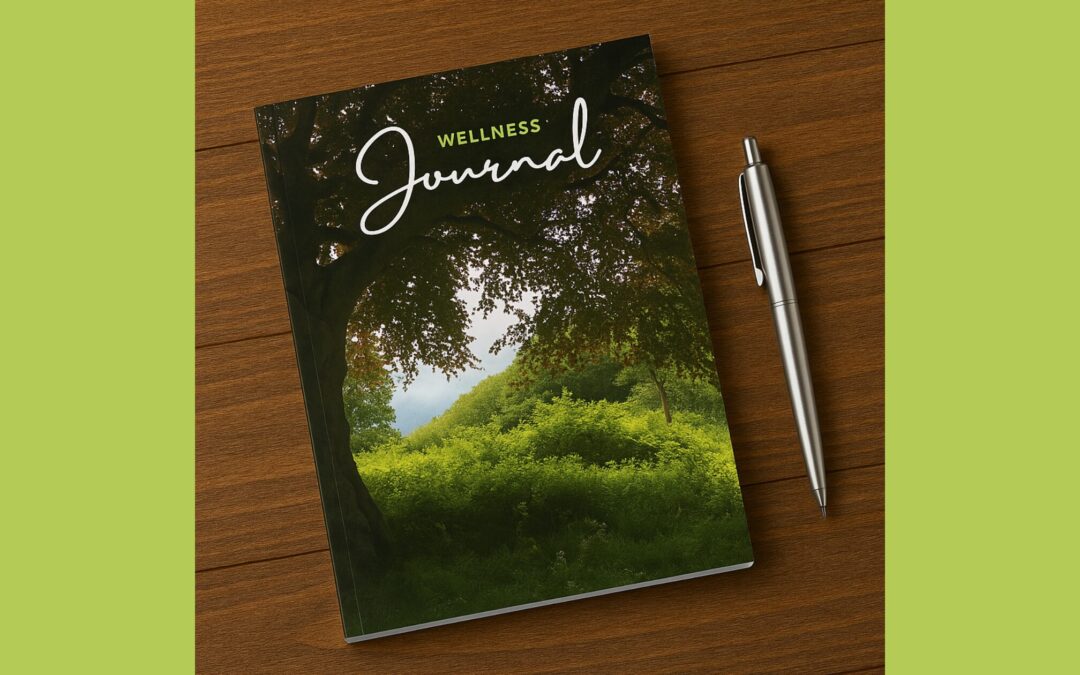
What if I told you that a simple journal could be your counselor, your wellness coach, your nutritionist, and your best friend—all in one place?

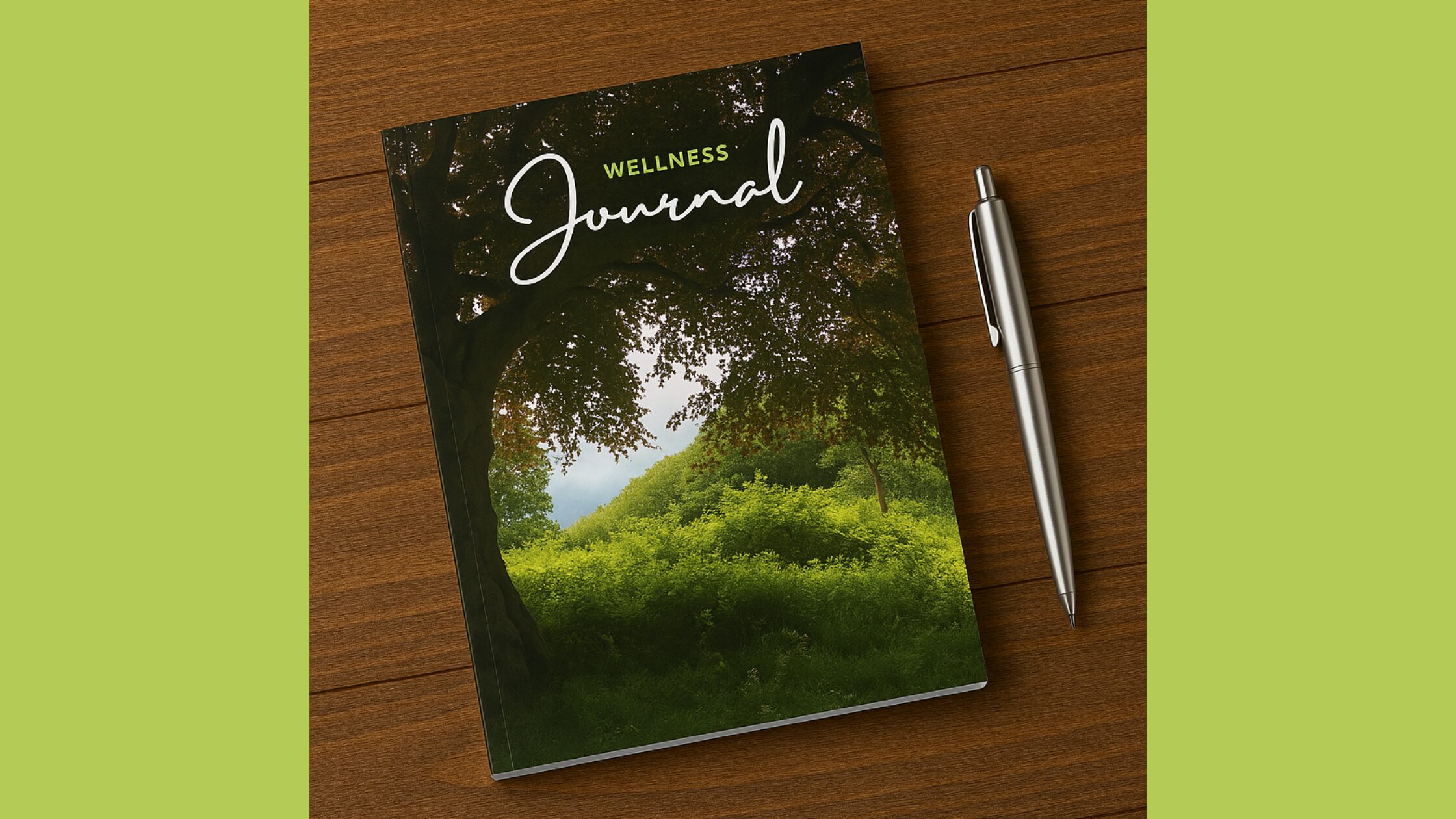
That’s the power of intentional journaling. It’s more than putting pen to paper—it’s a sacred daily check-in with your mind, body, and spirit. At The Earth Heals, we believe that wellness starts from within, and our thoughtfully designed wellness journal is a powerful guide to support you on that path.

Let’s explore the benefits of journaling and break down how each section of our journal helps nourish your whole self—from mood to movement, from gratitude to growth.

Mood Check-In: How Are You Really Feeling Today?

“You can’t heal what you don’t feel.”

The first step to transformation is awareness. The Mood section invites you to pause and truly check in with yourself—something we rarely do in the rush of daily life. Whether you’re smiling or feeling a little off, recognizing your emotional state helps reduce stress and improves emotional intelligence. It’s your daily reminder to feel without judgment and honor where you are.

Gratitude: A Shift in Perspective

Gratitude journaling has been scientifically shown to:

  • counteract worry and and negativity
  • boosts your mood and your motivation
  • rewire the brain for positivity

The Gratitude section prompts you to list 3 things you’re thankful for. It could be a person, a place or a thing. You will choose broad things at first, then you will start to get detailed and you will begin looking for things to write down the next day. 

Mind: Setting Daily Intentions & Goals

Your mind is a garden—what are you planting today?

The Mind section encourages you to write down 3–4 actionable goals that improve your mental and emotional well-being that day.

These might include meditation, reading, checking things off your to-do list, or learning something new. There’s even a Creative & Sacred Space to add to your vision board, write a friend or family member who needs blessings or good energy.

Benefits:
Increases focus and motivation
Creates mental clarity
Strengthens habits through intention

Body: Your Daily Health Tracker

In the Body section, you’ll find simple, motivating ways to log:

  • Steps (movement)
  • Water intake
  • Protein consumption
  • Sleep hours

This visual progress tracker supports sustainable wellness by making health goals tangible. Over time, this builds greater awareness of your rhythms and needs.

Benefits:

Encourages balanced hydration and nutrition
Improves sleep and recovery
Builds accountability for physical well-being

Spirit: Affirmations & Intentions

Your spirit needs nourishment too. This section is where you reconnect with your inner light.

The Spirit section invites you to write affirmations or mantras—words that ground, uplift, and empower you. Affirmations help replace fear-based thinking with love-based presence.

Examples:

“The Abundance I seek, is also seeking me. I remove any blockage between us.”
“I attract only good things. good things find me all day long”
“I am so lucky. My day is filled with amazing surprises”

Benefits:

  • Enhances spiritual connection
  • Reduces anxiety
  • Manifests Amazing Things

My Journal: Daily Reflections & Intentions

This is where your soul speaks. I fill in the shaded areas at night. 

Morning intentions
Positive habits
Your favorite moment of the day 
What you need to release
Tomorrow’s focus

Writing like this strengthens your emotional resilience and gives you space to process, release, and realign.

Benefits:

  • Clears mental clutter
  • Promotes emotional release
  • Reinforces healthy patterns

Weekly Reflection: Realignment & Renewal

The Weekly Reflection section is like a weekly wellness check-up—with you as both the guide and the student.

You’ll track your:

  • Weekly mood
  • Positive events
  • Focus areas for next week (nutrition, emotional well-being, relationships, etc.)
  • Weekly habit tracking
  • Plan to make next week better

Benefits:

  • Provides holistic insight
  • Tracks growth over time

Helps you pivot and improve gently, week by week

Why It Matters
This wellness journal is more than paper—it’s a helpful tool for your wellness journey. It’s a place to celebrate your wins, soften through your struggles, and hold yourself accountable with compassion.

Whether you’re navigating stress, healing your body naturally, exploring emotional growth, or just wanting a deeper connection to yourself—this journal holds space for it all.

? It’s your daily counselor, wellness coach, nutrition guide and the best friend to unload your problems.

    Disclaimer: We are an affiliate of many companies, which means that we may receive a commission if you click on our affiliate link and make a purchase. However, this does not affect our reviews and comparisons. We strive to provide honest opinions and recommendations based on our own experiences and research. Any product claim, statistic, quote, or other representation about a product or service should be verified with the manufacturer, provider, or party in question.

    VIDEOS

    SECTION 1 – GRATITUDE, Margorie Rose Espe
    This daily gratitude section of my wellness journal allows you to start your day with a positive mindset that is as easy as writing down 3 things you are grateful for. At first this will be really broad. Such as I am grateful for my husband, I am grateful for my kids. As the days go by, you start to look for things throughout the day to write in your journal the next day.
    Starting your day with gratitude focuses your attention on what is good and positive.

    Embracing Self-Care in a Busy World

    Embracing Self-Care in a Busy World

    Embracing Self Care for Wellbeing

    Embracing Self-Care in a Busy World: Nurturing Your Well-Being Naturally

    Why is it that it’s so easy to take care of everyone else but not take care of ourselves? In today’s fast-paced world, self-care often takes a backseat as we juggle numerous responsibilities and commitments. However, it is essential to recognize that self-care is not a luxury but a vital component of overall well-being. Embracing self-care amidst our busy lives is a transformative act of nurturing ourselves naturally. In this blog, we explore the significance of self-care and share practical and natural approaches to integrate self-care into your daily routine, helping you achieve a harmonious balance between mind, body, and spirit.

    Self-care is more than just pampering or indulgence; it encompasses a holistic approach to nourishing ourselves on all levels—physically, emotionally, mentally, and spiritually. It involves tuning in to our needs and desires and providing the love and attention we deserve.

    In a busy world, it’s crucial to set boundaries to protect our time and energy. Learn to say no to commitments that do not align with your values or overload your schedule. Prioritize activities that bring joy and fulfillment, and make room for self-care without guilt.

    Nature offers a sanctuary for self-care. Spend time outdoors, immerse yourself in the beauty of natural surroundings, and allow nature’s calming influence to rejuvenate your spirit. Whether it’s a walk in the park, gardening, or simply sitting under a tree, connecting with nature is a natural healing balm for the soul.

    Incorporate mindful natural movement practices like yoga, tai chi, or qigong into your routine. These activities not only promote physical well-being but also cultivate mindfulness and inner peace, reducing stress and improving overall mental health.

    Nourishing your body with wholesome, nutrient-rich foods is an essential aspect of self-care. Embrace a balanced diet that includes plenty of fruits, vegetables, whole grains, and healthy fats. Mindful eating practices allow you to savor each bite and develop a harmonious relationship with food.

    Designate a sacred space in your home where you can retreat for moments of peace and introspection. Fill this space with items that inspire you, such as candles, crystals, or calming artwork. Dedicate time to be present in this space and connect with your inner self.

    Prioritize quality sleep and ensure you get sufficient rest to rejuvenate your body and mind. Create a bedtime routine that promotes relaxation, such as reading a book, practicing gentle stretches, or enjoying a soothing cup of herbal tea.

    Practice mindfulness, meditation, and prayer to quiet the mind and cultivate a sense of inner calm. Regular meditation sessions help reduce stress, enhance focus, and foster a deeper connection with yourself.

    Treat yourself to natural self-care rituals using essential oils, herbal baths, or DIY skincare products. These remedies not only nourish the body but also uplift the spirit, allowing you to indulge in a blissful self-care experience.

    Take intentional breaks from technology and social media. Unplugging allows you to be fully present in the moment and recharge your mental energy, reducing the overwhelm of a busy digital world.

    In a world that glorifies busyness, embracing self-care becomes a radical act of love and respect for ourselves.

    By prioritizing self-care and nurturing our well-being naturally, we cultivate a sense of balance and inner harmony. Remember that self-care is a deeply personal journey, and what works for one person may not work for another.

    Listen to your intuition and discover the self-care practices that resonate with your unique needs and values. Embrace self-care as a natural healing ritual, guiding you towards a more fulfilling and joyful life amidst the hustle and bustle of a busy world.

    Here’s some links to my favorite brands to get you started on your self-care journey!
    Guru Nanda >> Click for $15 off to get you started
    Cultivate Elevate 10% off with code MARGIE10
    Earth + Moon 10% off with code MARGIE10
    Wellness Journals by Margorie Espe

    Disclaimer: We are an affiliate of many companies, which means that we may receive a commission if you click on our affiliate link and make a purchase. However, this does not affect our reviews and comparisons. We strive to provide honest opinions and recommendations based on our own experiences and research. Any product claim, statistic, quote, or other representation about a product or service should be verified with the manufacturer, provider, or party in question.
    Relax

    Relax

    Relax

    The Most Powerful Ways to Relax: A Guide to Restoring Mind and Body

    In today’s fast-paced world, stress feels unavoidable—but relaxation isn’t a luxury; it’s essential. Without it, tension builds up, affecting both mind and body. Fortunately, there are powerful ways to unwind beyond just zoning out in front of a screen.

    From mindful breathing and meditation to nature therapy, herbal remedies, and gentle movement like yoga or tai chi, relaxation comes in many forms. Whether you find peace in journaling, music, or a warm bath, there’s a method that works for you.

    In this guide, we’ll explore the most effective ways to restore balance and calm. No matter how busy life gets, making time to relax is not just possible—it’s necessary. Let’s dive in!

    In this guide, we’ll explore the best ways to relax using breathing techniques, meditation, and relaxing sounds for sleep—all while recommending the best tools to help you on your journey to relaxation. 

    We personally research, test, and carefully select every product we recommend, ensuring they are clean, effective, and always YUKA-approved for the highest standards of health and safety.

    The Science Behind Breathing Exercises

    When we’re stressed, our breathing becomes shallow and rapid, signaling our nervous system to stay in “fight or flight” mode. This can lead to increased anxiety, tension, and even physical symptoms like headaches or digestive issues.

    Practicing deep, intentional breathing—such as diaphragmatic breathing—activates the parasympathetic nervous system, which helps the body calm down.  

    Here’s a simple breathing exercise for anxiety you can try right now:

    1. Sit comfortably and place one hand on your chest and the other on your belly.
    2. Inhale deeply through your nose for four seconds, feeling your belly rise.
    3. Hold the breath for two seconds.
    4. Exhale slowly through your mouth for six seconds.
    5. Repeat for a few minutes.
      This simple technique can help reduce stress, lower blood pressure, and improve focus.

    Mindful Breathing Techniques

    Deep Belly Breathing (Diaphragmatic Breathing) – Reduces stress and lowers cortisol.
    Box Breathing (4-4-4-4 Technique) – Used by Navy SEALs to calm the nervous system.
    Alternate Nostril Breathing (Nadi Shodhana) – Balances energy and promotes calmness.

    Top Meditation Apps & Relaxation Tools


    Guided Meditation
    – Using apps or YouTube for structured relaxation.
    Body Scan Meditation – A technique to release tension throughout the body.
    Mindfulness Practices – Staying present and reducing mental clutter.
    If you’re looking for a structured way to build a relaxation habit, these meditation apps and tools can guide you:

    1. Calm App
    One of the most popular meditation apps, the Calm app offers guided meditations, sleep stories, and even breathing exercises. Whether you’re struggling with anxiety or just need help falling asleep, Calm has something for everyone.

    ? Try it here: Calm App

    2. Headspace
    Headspace is another excellent app that provides easy-to-follow guided meditations, mindfulness exercises, and stress-relief techniques. Great for beginners!

    ? Explore Headspace: Headspace

    3. Insight Timer
    This free meditation app has a vast library of guided meditations, a customizable meditation timer, and relaxing sounds for sleep like rain, ocean waves, and white noise.

    ? Check it out: Insight Timer

    4. Breethe
    Breethe offers a mix of guided meditations, sleep aids, and breathing exercises designed to fit into a busy lifestyle. It’s perfect if you need a quick reset during the day.

    ? Try Breethe: Breethe

    The Power of Nature

    Forest Bathing (Shinrin-Yoku) – The benefits of immersing yourself in nature. A great explanation by Dr. Eric Berg DC. 

    Grounding (Earthing) – Walking barefoot on grass, sand, or soil. A great explanation by Professor from Stanford:
    Andrew Huberman

    Listening to Natural Sounds – Waterfalls, rain, or birdsong for instant relaxation. A beautiful explanation by Dr Jenny Brockis. 

    Herbal and Natural Remedies

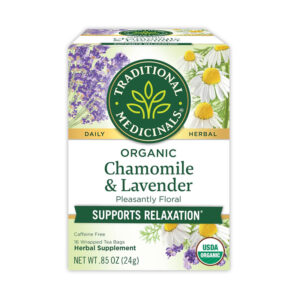
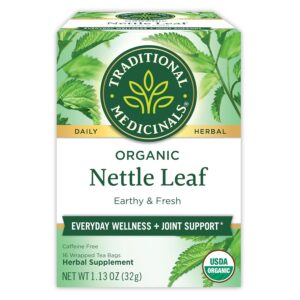
    Chamomile & Lavender Tea – Natural stress relievers. We love Traditional Medicinals. 
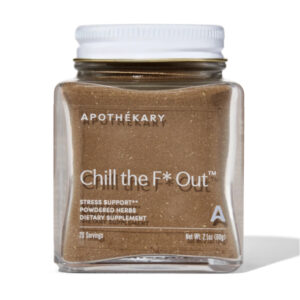
    Ashwagandha & Adaptogens – Herbs that help balance stress hormones. I love YouTherapy Ashwaghanda and Take The Edge Off by Apothecary.
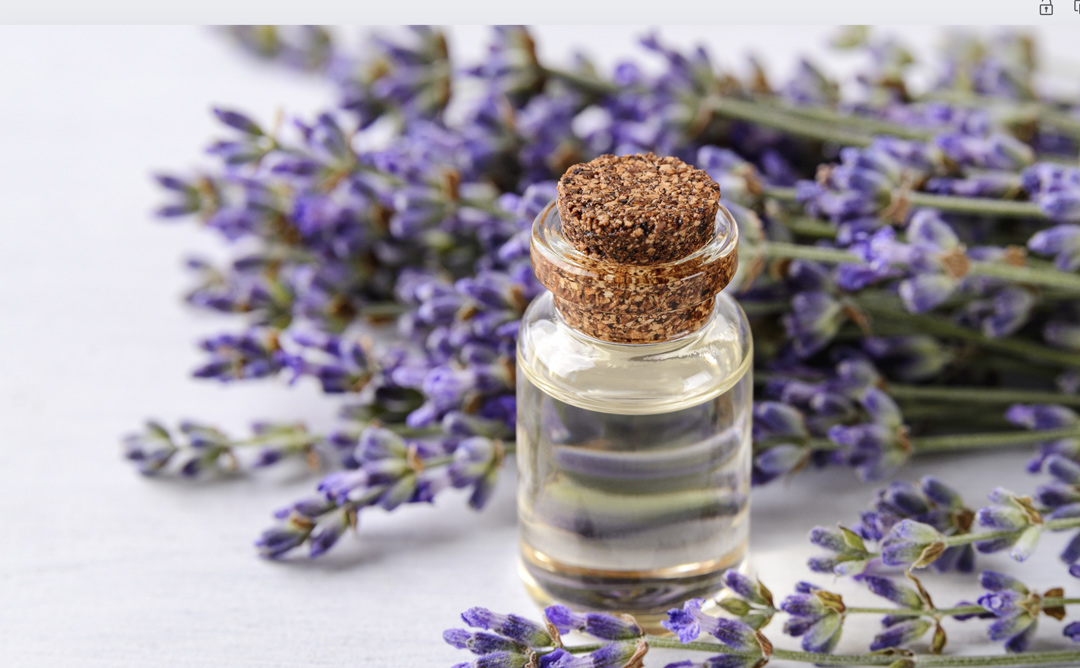
    Aromatherapy with Essential Oils – Lavender, frankincense, and bergamot for calmness. We love GuruNanda

    Gentle Movement for Stress Relief

    Yoga – Specific poses for relaxation (e.g., Child’s Pose, Legs-Up-The-Wall).

    Tai Chi & Qigong – Flowing movements that promote relaxation and balance.

    Stretching & Foam Rolling – Releasing muscle tension for deep relaxation.

    Sound Therapy: Best Relaxing Sounds for Sleep

    If you have trouble falling asleep, listening to relaxing rain sounds for sleeping or other ambient noises can be a game-changer. Here are a few top resources:

    YouTube – Search for “relaxing rain sounds for sleeping” or “relaxing sounds for sleep” for hours of calming audio.
    Spotify & Apple Music – Both platforms have playlists dedicated to sleep sounds, white noise, and meditation music.
    Apps like Calm & Insight Timer – These apps include a variety of sleep sounds, from gentle rain to crackling fireplaces.

    The Healing Power of Water

    Hot Baths with Epsom Salt – Magnesium plays a key role in relaxation by helping to calm the nervous system by regulating neurotransmitters like GABA (gamma-aminobutyric acid), which promotes a relaxed state, and by facilitating muscle relaxation, effectively acting as a natural “anti-stress” mineral; this can contribute to better sleep quality and reduce feelings of anxiety.

    Cold Showers & Ice Baths – The surprising stress-reducing benefits of cold therapy. Cold showers and baths can be surprisingly effective for relaxation by triggering the release of endorphins, which are the body’s natural feel-good chemicals, and by stimulating the nervous system in a way that can reduce stress and anxiety,

    Hydrotherapy & Floating Tanks – Deep relaxation through water immersion. Sensory deprivation tank therapy may support relaxation, improve sleep, and decrease stress, anxiety, and pain. Search: Hydrotherapy & Floating Tanks near me. 

    Journaling & Expressive Writing

    Gratitude Journaling – Shifting focus to positive thoughts.

    Stream-of-Consciousness Writing – Releasing stress through words.

    Creative Expression (Poetry, Art Journaling, etc.) – Tapping into relaxation through creativity.

    The Importance of Sleep and Rest

    Optimizing Sleep Hygiene – Dark, cool, and quiet environments.

    Bedtime Rituals – Calming activities before sleep (reading, stretching, tea).

    Power Naps – Short naps for quick stress relief

    Social Connection & Laughter

    Spending Time with Loved Ones – The power of human connection. This can significantly improve mood and reduce anxiety due to the positive social connection and release of feel-good hormones like oxytocin. 

    Laughter Therapy – How humor and comedy relieve stress. Laughter therapy, including laughter yoga and guided laughter meditation, can help you relax and reduce stress and anxiety. Take a look: https://youtu.be/wfB58mhciAE

    Cuddle Therapy & Pets – The oxytocin boost from physical touch. Various studies have shown that cuddling or interacting with a pet can decrease cortisol levels, a stress-related hormone, and reduce feelings of loneliness.

    Relax Podcasts to Help You Unwind

    Podcasts can be a great way to relax, learn mindfulness techniques, or even drift off to sleep. Here are a few to check out:

    ? The Daily Meditation Podcast – Short, easy-to-follow meditations for stress relief.

    ? Sleepy – A podcast where classic literature is read in a soothing voice to help you sleep.

    ? Nothing Much Happens – A storytelling podcast designed to help you relax and fall asleep faster.

    ? Untangle – A podcast that explores mindfulness, meditation, and mental wellness.

    Make Relaxation a Daily Habit

    Relaxation isn’t just a luxury—it’s a necessity for both physical and mental well-being. By incorporating breathing exercises for anxiety, using the best meditation apps, and listening to relaxing sounds for sleep, you can create a simple yet effective relaxation routine.

    Want to start your journey to relaxation today? Try a Google breathing exercise, download a relax podcast, or explore one of the meditation apps above!

    Have a favorite relaxation method? Share it in the comments below!

    Guided Breathing Tools

    Herbal & Natural Relaxation Products

    Sale!

    Magnesium Glycinate

    Original price was: $18.86.Current price is: $16.98.
    Sale!

    Chamomile Lavender Tea

    Original price was: $5.49.Current price is: $3.99.

      Journaling & Expressive Writing

        Yoga & Meditation Accessories

          The Healing Power of Water

            Relaxing Sleep Products

              Join Our Facebook Group

              We have a wonderful group of passionate members dedicated to natural healing and sharing!
              ??
              Together, we explore the wonders of herbal remedies, seasonal recipes, food conservation, mindfulness, sustainable living, and everything in between.  Join our shared mission of promoting natural healing, self-care, and well-being. Your contributions matter, and together, we are creating a healthier, happier life.

              Disclaimer: We are an affiliate of many companies, which means that we may receive a commission if you click on our affiliate link and make a purchase. However, this does not affect our reviews and comparisons. We strive to provide honest opinions and recommendations based on our own experiences and research. Any product claim, statistic, quote, or other representation about a product or service should be verified with the manufacturer, provider, or party in question.

              Embracing Natural Serenity: Lavender Oil vs. Medication for Sleep and Relaxation

              Embracing Natural Serenity: Lavender Oil vs. Medication for Sleep and Relaxation

              The-Earth-Heals-Summer-Smoothie

              Embracing Natural Serenity: Lavender Oil vs. Medication for Sleep and Relaxation

              In the pursuit of restful sleep and deep relaxation, I turned to medications for quick relief. However, the pharmaceutical solutions often came with a host of side effects that impacted my overall well-being. On the other hand, lavender oil, a beloved essential oil revered for its calming properties, offers me a natural alternative that promotes tranquility without the drawbacks of medication. When I have a hard time falling asleep I simply take my lavender oil mixed with a carrier oil and rub it on the bottom of my feet. When I do this I’m asleep within minutes! Let’s explore the benefits of lavender oil for sleep and relaxation, contrasting them with the potential side effects of pharmaceuticals.

              Lavender Oil: Nature’s Tranquilizer

              1. Promotes Quality Sleep:
              – Calming Effects: Lavender oil is renowned for its ability to reduce anxiety and stress, creating a conducive environment for restful sleep.
              – Improved Sleep Quality: Research suggests that inhaling lavender oil before bedtime can enhance sleep quality by promoting relaxation and easing insomnia symptoms.

              2. Natural Relaxant:
              – Muscle Relaxation: The soothing aroma of lavender oil helps relax tense muscles, making it beneficial for those experiencing physical tension.
              – Emotional Balance: It helps calm the mind, making it easier to unwind after a hectic day and promoting overall emotional well-being.

              3. Gentle on the Body:
              – Minimal Side Effects: When used correctly (diluted with a carrier oil or diffused), lavender oil typically has minimal side effects, making it a gentle option for individuals with sensitivities.

              Medication: The Side Effects Dilemma

              1. Dependency and Tolerance:
              – Risk of Dependency: Many sleep medications can lead to dependency if used long-term, requiring higher doses over time to achieve the same effect.
              – Withdrawal Symptoms: Abrupt discontinuation of sleep medications can trigger withdrawal symptoms like rebound insomnia and anxiety.

              2. Cognitive Impairment:
              – Daytime Drowsiness: Some medications can cause daytime drowsiness, affecting productivity and increasing the risk of accidents.
              – Memory and Concentration: Certain medications may impair memory and cognitive function, impacting daily life quality.

              3. Physical Side Effects:
              – Digestive Issues: Common side effects include nausea, indigestion, and gastrointestinal disturbances.
              – Respiratory Problems: Some medications can lead to respiratory depression, particularly in higher doses or with prolonged use.

              Choosing the Natural Path:

              Opting for lavender oil for sleep and relaxation presents a holistic approach that nurtures both body and mind. Its gentle effectiveness and minimal side effects make it an attractive alternative to pharmaceuticals, especially for those seeking natural remedies and mindful living practices. Here’s my favorite: GuruNanda Lavender Oil Make sure you mix it with a good organic carrier oil such as: Cliganic Organic Jojoba Oil, 100% Pure

              In the realm of promoting sleep and relaxation, lavender oil stands out as a natural, safe, and effective solution. By understanding the benefits it offers compared to potential side effects associated with medications, individuals can make informed choices that prioritize their health and well-being. Embrace the calming essence of lavender oil to unwind, destress, and foster a restful night’s sleep—naturally.

              Discover more about holistic approaches to wellness and natural healing on our website. Explore the power of lavender oil and other botanical remedies to enhance your journey towards vibrant health and tranquility. Please let us know if you try this. We can’t wait to hear from you!

              Join Our Facebook Group

              We have a wonderful group of passionate members dedicated to natural healing and sharing!
              ??
              Together, we explore the wonders of herbal remedies, seasonal recipes, food conservation, mindfulness, sustainable living, and everything in between.  Join our shared mission of promoting natural healing, self-care, and well-being. Your contributions matter, and together, we are creating a healthier, happier life.

              Disclaimer: We are an affiliate of many companies, which means that we may receive a commission if you click on our affiliate link and make a purchase. However, this does not affect our reviews and comparisons. We strive to provide honest opinions and recommendations based on our own experiences and research. Any product claim, statistic, quote, or other representation about a product or service should be verified with the manufacturer, provider, or party in question.

              Magnesium Glycinate vs. Sleeping Aids

              Magnesium Glycinate vs. Sleeping Aids

              The-Earth-Heals-Summer-Smoothie

              Magnesium Glycinate vs. Sleeping Aids: Navigating the Path to Natural, Restful Sleep

              As someone who once relied on a daily regimen of 17 medications to address various health issues, falling asleep was never a challenge for me. With the assistance of additional sleep medications, I could easily prepare for bedtime. However, when I made the decision to discontinue my medications, I encountered difficulties with sleep. It was during this time that I learned about magnesium glycinate and its remarkable effects from someone who had experienced its wonders. Intrigued, I decided to incorporate it into my routine, and I’ve been taking it every night since then. So why wouldn’t I want to tell the world how wonderful it truly is? Let’s do this!

              In the quest for a good night’s sleep, the choice between natural alternatives and conventional sleeping aids can significantly impact not only the quality of your rest but also your overall well-being. One such natural remedy gaining attention is magnesium glycinate, renowned for its sleep-promoting properties. Let’s explore the benefits of magnesium glycinate for better sleep and compare it to traditional sleeping aids to help you make an informed choice for your natural healing journey.

              The Pitfalls of Conventional Sleeping Aids:

              1. Dependency and Tolerance: Traditional sleeping aids, whether over-the-counter or prescription, carry the risk of dependency and tolerance. Over time, the body may become accustomed to the sedative effects, necessitating higher doses for the same impact and increasing the likelihood of reliance.

              2. Side Effects and Morning Grogginess: Many sleeping aids come with a list of potential side effects, including drowsiness, dizziness, and a lingering sense of grogginess upon waking. These aftereffects can impede daytime functioning and leave individuals feeling less than refreshed.

              3. Disruption of Natural Sleep Cycles: Some sleeping aids may induce sleep but fail to support the natural sleep cycles essential for restorative rest. This disruption can lead to fragmented and less restful sleep, potentially contributing to long-term sleep issues.

              4. Health Risks and Complications: Long-term use of sleeping aids has been associated with various health risks, including respiratory issues, cognitive impairment, and an increased susceptibility to accidents. The potential for adverse effects underscores the importance of seeking natural alternatives.

              Magnesium Glycinate: Nature’s Sleep Supporter:

              1. Calming Nervous System:
              Magnesium glycinate supports the regulation of the nervous system, exerting a calming influence that helps ease tension and promote relaxation. This natural approach contributes to a more tranquil mental state conducive to sleep.

              2. Muscle Relaxation:
              Renowned for its muscle-relaxing properties, magnesium glycinate helps release tension in the body, alleviating physical stress that may interfere with a restful night’s sleep.

              3. GABA Production:
              Magnesium glycinate supports the production of GABA, a neurotransmitter known for its calming effects on the brain. This natural mechanism aids in reducing neuronal excitability, promoting relaxation and improved sleep quality.

              4. Circadian Rhythm Regulation:
              Maintaining a healthy circadian rhythm is essential for a well-regulated sleep-wake cycle. Magnesium glycinate influences the body’s internal clock, supporting a natural and consistent sleep pattern.

              5. Gentle on the Digestive System:
              Unlike some magnesium forms that may cause digestive discomfort, magnesium glycinate is gentle on the stomach, making it a well-tolerated option for those seeking a sleep aid without the risk of digestive issues.

              Making an Informed Choice:

              In the comparison between magnesium glycinate and conventional sleeping aids, the natural approach offered a compelling case for me while seeking a holistic and sustainable solution to sleep challenges. Embracing magnesium glycinate as a part of my nightly routine aligns with the principles of natural healing, supporting my body’s innate ability to achieve restful and rejuvenating sleep.

              However, it’s essential to recognize that individual responses may vary, and consulting with a healthcare professional is advisable before introducing any new supplements or medications. By understanding the potential benefits of magnesium glycinate and weighing them against the risks associated with traditional sleeping aids, you can make an informed choice that aligns with your commitment to natural healing and overall well-being. Choose the path that not only leads to better sleep but also nurtures your body and mind in harmony with nature’s wisdom.

              Here’s my favorite product: 

              Join Our Facebook Group

              We have a wonderful group of passionate members dedicated to natural healing and sharing!
              ??
              Together, we explore the wonders of herbal remedies, seasonal recipes, food conservation, mindfulness, sustainable living, and everything in between.  Join our shared mission of promoting natural healing, self-care, and well-being. Your contributions matter, and together, we are creating a healthier, happier life.

              Disclaimer: We are an affiliate of many companies, which means that we may receive a commission if you click on our affiliate link and make a purchase. However, this does not affect our reviews and comparisons. We strive to provide honest opinions and recommendations based on our own experiences and research. Any product claim, statistic, quote, or other representation about a product or service should be verified with the manufacturer, provider, or party in question.