
Healing Foods of Summer: Nutritional Delights for Wellness

Healing Foods of Summer: Nutritional Delights for Wellness

Healing Foods of Summer<br />

THE HEALING FOODS OF SUMMER
“Discover the Healing Foods of Summer: Boost Your Health Naturally!”

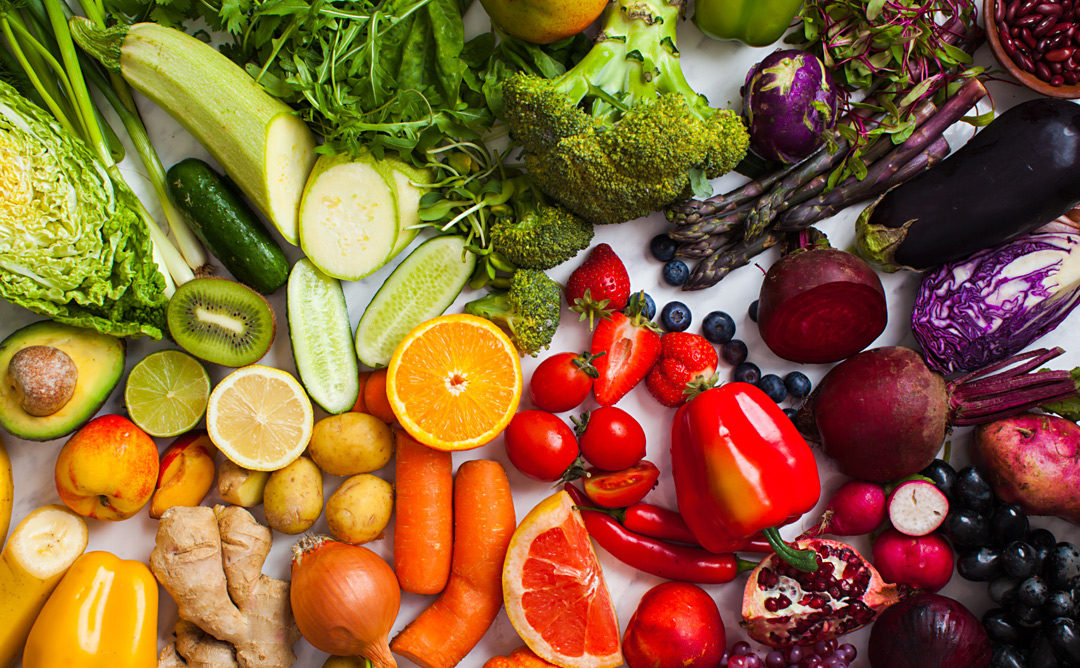
Summer brings with it an abundance of fresh and vibrant produce that not only tantalizes our taste buds but also nourishes our bodies. From succulent fruits to crisp vegetables, the season offers an array of healing foods that promote wellness and vitality. In this blog post, we will explore the nutritional delights of summer and how they can contribute to your overall health. So, let’s dive into the world of healing foods and discover the benefits they bring to your well-being.

Berries:
Berries, such as strawberries, blueberries, raspberries, and blackberries, are packed with antioxidants, vitamins, and fiber. These colorful gems protect against oxidative stress, support cardiovascular health, and promote healthy digestion.
Add them to smoothies, salads, or enjoy them as a refreshing snack.

Watermelon:
Juicy and hydrating, watermelon is a quintessential summer fruit that boasts an impressive nutrient profile. It’s rich in lycopene, a powerful antioxidant known for its anti-inflammatory properties. Watermelon also contains high levels of vitamins A and C, which support immune function and promote healthy skin. Enjoy it chilled or blend it into a refreshing watermelon cooler.

Leafy Greens:
Summer is the perfect time to enjoy an abundance of leafy greens like spinach, kale, and Swiss chard. These nutrient-dense greens are a powerhouse of vitamins, minerals, and fiber. They support detoxification, promote healthy digestion, and boost energy levels. Incorporate them into salads, smoothies, or sauté them as a side dish.

Tomatoes:
Tomatoes are not only a versatile ingredient but also a nutritional superstar. They are rich in lycopene, vitamin C, and potassium. Lycopene has been linked to reducing the risk of certain cancers, while vitamin C supports immune function and collagen production. Enjoy fresh tomatoes in salads, make a gazpacho, or add them to your favorite dishes.

Cucumbers:
Cooling and refreshing, cucumbers are excellent for hydration during hot summer days. They are rich in water content and provide essential electrolytes like potassium. Cucumbers also contain antioxidants and anti-inflammatory compounds that promote healthy skin and aid in digestion. Slice them up for salads or make a refreshing cucumber-infused water. See Our Preserving Vegetables Blog for Pickle Recipes.

Herbs:
Take advantage of the bountiful summer herbs like basil, mint, cilantro, and parsley. These aromatic herbs not only enhance the flavor of your dishes but also offer numerous health benefits. Basil supports digestion, mint aids in soothing the stomach, cilantro helps remove heavy metals from the body, and parsley is rich in vitamins and minerals. Use them in salads, dressings, or make flavorful herb-infused oils.

Bell Peppers:
Colorful bell peppers are not only visually appealing but also a nutritional powerhouse. They are packed with antioxidants, vitamins A and C, and fiber. Bell peppers support eye health, boost the immune system, and have anti-inflammatory properties. Enjoy them raw in salads, grill them for a flavorful side dish, or stuff them with nutritious fillings.

Summer Squash:
Zucchini, yellow squash, and other summer varieties are low in calories and high in vitamins and minerals. They are a good source of dietary fiber, which aids in digestion and promotes a healthy gut. Summer squash can be sautéed, roasted, or used as a substitute for pasta in healthy veggie-based dishes.

Embrace the vibrant and nutritious foods of summer to support your well-being. Incorporating healing foods like berries, watermelon, leafy greens, tomatoes, cucumbers, herbs, bell peppers, and summer squash into your diet can provide a range of health benefits. These nutritional delights offer a delicious way to nourish your body, boost your immune system, and promote overall wellness. So, head to your local farmers’ market or grow your own garden to enjoy the bounty of summer and experience the healing power of nature’s harvest. With the abundance of nature’s healing foods at our disposal, this summer is the perfect time to embark on a journey of holistic wellness and vibrant health.
Fill your plates with the colors of the season and enjoy the gifts of nature’s healing touch! ???

Disclaimer: We are an affiliate of many companies, which means that we may receive a commission if you click on our affiliate link and make a purchase. However, this does not affect our reviews and comparisons. We strive to provide honest opinions and recommendations based on our own experiences and research. Any product claim, statistic, quote, or other representation about a product or service should be verified with the manufacturer, provider, or party in question.

Summer Detox: Cleanse and Rejuvenate with Nature’s Gifts

Summer Detox: Cleanse and Rejuvenate with Nature’s Gifts

Summer Detox: Cleanse and Rejuvenate with Nature's Gifts

Summer Detox: Cleanse and Rejuvenate with Nature’s Gifts

With the arrival of summer, it’s the perfect time to embrace the beauty of nature and revitalize your body and mind. The warm weather and abundance of fresh produce offer an excellent opportunity for a summer detox. By harnessing the power of nature’s gifts, you can cleanse your body, boost your energy levels, and rejuvenate from within. In this blog post, we will explore how you can embark on a summer detox journey, using natural remedies and wholesome foods to promote overall wellness.

Hydrate with Infused Water:
Start your summer detox by hydrating your body with infused water. Simply add slices of fresh fruits like lemon, cucumber, or mint leaves to a pitcher of water. These infused waters not only provide a refreshing taste but also offer vitamins, antioxidants, and hydration that promote detoxification and help flush out toxins.

Include Detoxifying Herbs:
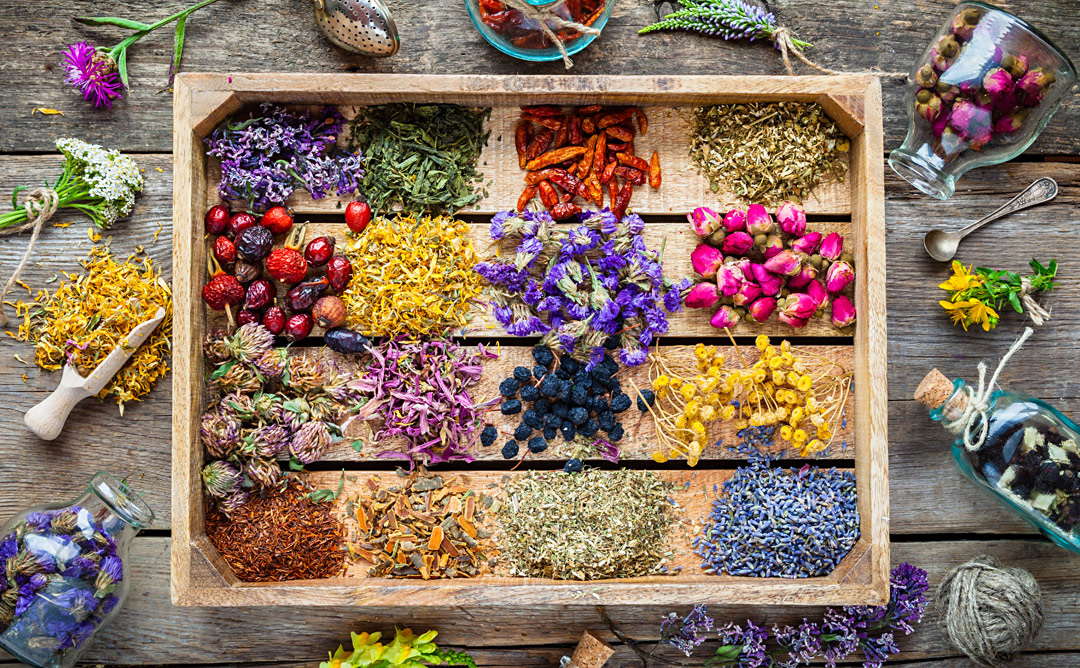
Incorporate detoxifying herbs into your diet to support your body’s natural cleansing processes. Herbs like dandelion root, burdock root, and milk thistle aid in liver detoxification and promote healthy digestion. Enjoy them as herbal teas or add them to your meals for a cleansing boost.

Embrace Fresh and Raw Foods:
Summer is the season of abundant fresh produce, making it easier to incorporate raw and nutrient-rich foods into your detox plan. Load up on colorful fruits and vegetables like berries, watermelon, leafy greens, and cucumbers. These foods are high in fiber, antioxidants, and enzymes that support digestion and detoxification. Check out your local farmer’s markets

Prioritize Green Smoothies:
Kickstart your mornings with a nourishing green smoothie. Blend together leafy greens like spinach or kale with fruits, such as pineapple, mango, or banana. Add a tablespoon of chia seeds or flaxseeds for added fiber and omega-3 fatty acids. Green smoothies provide a powerful combination of vitamins, minerals, and antioxidants to fuel your detox journey.

Sweat it Out:
Take advantage of the sunny weather and engage in activities that make you sweat. Whether it’s a vigorous workout, a hike in nature, or a rejuvenating yoga session, sweating helps eliminate toxins through your skin. Remember to stay hydrated and replenish your electrolytes with natural beverages like coconut water.

Try Dry Brushing:
Incorporate dry brushing into your daily self-care routine. Before showering, use a natural bristle brush to gently exfoliate your skin in circular motions, starting from your feet and moving upward. Dry brushing stimulates the lymphatic system, improves blood circulation, and helps remove dead skin cells, promoting detoxification and leaving your skin glowing.

Practice Mindful Eating:
During your summer detox, cultivate a mindful eating practice. Slow down and savor each bite, paying attention to the flavors and textures of your food. Chew thoroughly and avoid distractions like screens or eating on the go. Mindful eating allows you to connect with your body’s cues, promote digestion, and prevent overeating.

Herbal Teas for Detoxification:
Incorporate herbal teas known for their detoxifying properties. Nettle tea supports kidney function, while ginger tea aids digestion and reduces inflammation. Sip on herbal teas throughout the day to stay hydrated and support your body’s detoxification processes.

Journal and Reflect:
Take time for self-reflection during your summer detox. Journaling allows you to explore your thoughts, emotions, and intentions during this transformative process. Write down your goals, experiences, and any insights gained along the way. This practice can help deepen your connection with yourself and enhance your overall well-being.

Embrace the beauty of summer and embark on a detox journey that harnesses the power of nature’s gifts. By hydrating with infused water, incorporating detoxifying herbs, enjoying fresh and raw foods, and engaging in mindful practices, you can cleanse and rejuvenate your body and mind. Remember, a summer detox is not about restrictive diets but rather embracing wholesome, nourishing foods and holistic self-care practices. Listen to your body, honor your needs, and let nature’s gifts support your journey to wellness and vitality.

Disclaimer: We are an affiliate of many companies, which means that we may receive a commission if you click on our affiliate link and make a purchase. However, this does not affect our reviews and comparisons. We strive to provide honest opinions and recommendations based on our own experiences and research. Any product claim, statistic, quote, or other representation about a product or service should be verified with the manufacturer, provider, or party in question.

10 Healing Herbs to Embrace This Summer

10 Healing Herbs to Embrace This Summer

The-Earth-Heals-Healing-Summer-Herbs-FI

10 Healing Herbs to Embrace This Summer

As the warm and vibrant days of summer approach, nature blesses us with an abundance of healing herbs that can enhance our well-being. From soothing sunburns to boosting our immune system, these natural remedies are not only effective but also readily available. In this blog post, we will explore 10 healing herbs to embrace this summer and discover their remarkable health benefits.

Aloe Vera:
Known as the “plant of immortality,” aloe vera is a must-have herb for summer. Its gel is a soothing remedy for sunburns, insect bites, and minor skin irritations. Applying aloe vera gel helps cool and heal the skin while reducing inflammation.

Peppermint:
Peppermint is a refreshing herb that offers multiple health benefits. Its cooling properties make it ideal for relieving headaches and soothing digestive issues like bloating and indigestion. Enjoy a cup of peppermint tea or use its essential oil for a revitalizing and uplifting experience.

Lavender:
Famous for its calming aroma, lavender is a versatile herb that promotes relaxation and reduces anxiety. Its essential oil can be used in aromatherapy, added to bathwater, or applied topically for soothing sunburns and insect bites.

Chamomile:
Chamomile is a gentle herb known for its calming and sedative effects. Sip on chamomile tea to relax and unwind after a long day. It also helps alleviate digestive discomfort and promotes better sleep quality.

Calendula:
Calendula, also called marigold, is a vibrant flower with potent healing properties. Its petals are often used in ointments, creams, or infused oils to soothe and heal skin irritations, cuts, and minor wounds. Calendula is a true ally for your skin during the summer months.

Lemon Balm:
Lemon balm, with its citrusy scent, uplifts the spirits and aids in stress reduction. It also possesses antiviral properties, making it a great herb to combat cold sores and other viral infections. Enjoy it as a tea or use its leaves in homemade salves and balms.

Rosemary:
Rosemary not only adds flavor to your culinary dishes but also offers several health benefits. It supports cognitive function, improves digestion, and has antioxidant properties. Its uplifting aroma makes it a perfect addition to natural bug repellents.

Echinacea:
Echinacea is a powerful herb that strengthens the immune system. It helps combat common summer ailments like colds, sore throats, and respiratory infections. Consider taking echinacea supplements or drinking herbal teas containing this herb to boost your natural defenses.

St. John’s Wort:
St. John’s Wort is known for its mood-enhancing properties, making it a valuable herb for managing symptoms of mild depression and anxiety. However, consult with a healthcare professional before using it, as it may interact with certain medications.

Yarrow:
Yarrow is a versatile herb that aids in wound healing and acts as a natural styptic, helping to stop bleeding. It also possesses anti-inflammatory properties and can be used as a compress for bruises, sprains, and muscle aches.

This summer, embrace the healing power of nature by incorporating these 10 herbs into your daily life. From soothing sunburns and promoting relaxation to boosting your immune system and enhancing your well-being, these herbs offer a natural approach to healing and maintaining optimal health. Remember to consult with a healthcare professional, especially if you have any underlying health conditions or are on medications. Embrace the wonders of nature and experience the transformative benefits of these healing herbs this summer.

Disclaimer: We are an affiliate of many companies, which means that we may receive a commission if you click on our affiliate link and make a purchase. However, this does not affect our reviews and comparisons. We strive to provide honest opinions and recommendations based on our own experiences and research. Any product claim, statistic, quote, or other representation about a product or service should be verified with the manufacturer, provider, or party in question.
Silicones in Shampoo

Silicones in Shampoo

Silicones in Shampoo

Silicones in Shampoo
Unraveling the Secrets of Silicones

Shampoo is an essential part of our daily hair care routine, and with countless options available in the market, it’s not surprising that we often find ourselves lost in a sea of ingredients. One such controversial ingredient is silicone. Often listed on shampoo bottles as dimethicone or other variations, silicones have sparked numerous debates among hair care enthusiasts and professionals alike. We will examine the world of silicones in shampoo, exploring their benefits, drawbacks, and their impact on hair health.

What are Silicones?

Silicones are a family of synthetic compounds derived from silica, a naturally occurring mineral. In the context of shampoos and hair care products, silicones are typically used as conditioning agents to provide a range of cosmetic benefits. These benefits include detangling, frizz reduction, increased shine, and the creation of a smooth, polished appearance for the hair.

Types of Silicones in Shampoo

There are various types of silicones used in hair care products, but the most commonly found ones in shampoos include:

• Dimethicone: This is one of the most widely used silicones in hair care products due to its excellent conditioning properties.

• Cyclomethicone: A volatile silicone that evaporates quickly, providing a lightweight, non-greasy feel to the hair.

• Amodimethicone: A modified silicone that targets damaged areas of the hair, providing additional protection and repair.

Pros of Silicones in Shampoo:

• Improved Hair Texture: Silicones form a thin, water-resistant film around the hair shaft, which can help smooth the cuticles and reduce frizz, leading to softer and more manageable hair.

• Enhanced Shine: The reflective properties of silicones can give the hair a glossy, healthy appearance by increasing light reflection.

• Easier Detangling: Silicones’ slippery nature can help reduce tangling and knots, making hair easier to comb through after shampooing.

• Heat Protection: Certain silicones can offer mild heat protection by forming a barrier between the hair and heat-styling tools.

Cons of Silicones in Shampoo

• Buildup and Weighing Down Hair: Silicones are not water-soluble, and over time, they can accumulate on the hair, causing buildup. This can lead to a lack of volume and a heavy, limp feeling in the hair.

• Reduced Moisture Absorption: The water-resistant film created by silicones can hinder moisture from penetrating the hair shaft. This can be a concern for those with dry or damaged hair who need intense hydration.

• Scalp Irritation: Some individuals may experience scalp irritation or sensitivity as a result of using products containing silicones.

• Environmental Impact: Silicones are not biodegradable, and when washed down the drain, they can potentially contribute to environmental pollution.

Balancing the Benefits and Drawbacks

While silicones can provide immediate cosmetic benefits, the potential drawbacks should not be ignored. If used excessively or on hair that is not compatible with these compounds, silicones can lead to long-term hair health issues. To strike a balance, consider the following:

• Clarifying Shampoos: Periodically use clarifying shampoos to remove silicone buildup and other residues from your hair.

• Selective Use: If you have fine or easily weighed-down hair, opt for shampoos with lightweight silicones or consider silicone-free alternatives.

• Individual Hair Type: Tailor your hair care routine to your specific hair type and needs. Some people may benefit from silicones, while others might find them unnecessary or detrimental.

Silicones in shampoo have undoubtedly revolutionized the way we care for our hair, offering immediate benefits like shine, manageability, and reduced frizz. However, the long-term effects of silicone buildup and potential moisture barriers have sparked concerns among conscious consumers. Understanding your hair type, using the right products, and periodically clarifying your hair can help strike a balance between enjoying the benefits of silicones and minimizing their potential drawbacks. As with any ingredient, an informed and individualized approach to hair care will ultimately lead to healthier, happier tresses.

My favorite silicone-free hair products: 

Disclaimer: We are an affiliate of many companies, which means that we may receive a commission if you click on our affiliate link and make a purchase. However, this does not affect our reviews and comparisons. We strive to provide honest opinions and recommendations based on our own experiences and research. Any product claim, statistic, quote, or other representation about a product or service should be verified with the manufacturer, provider, or party in question.

Mold: Battling the Unseen Invader

Mold: Battling the Unseen Invader

Mold: Battling the Unseen Invader

Mold: Battling the Unseen Invader

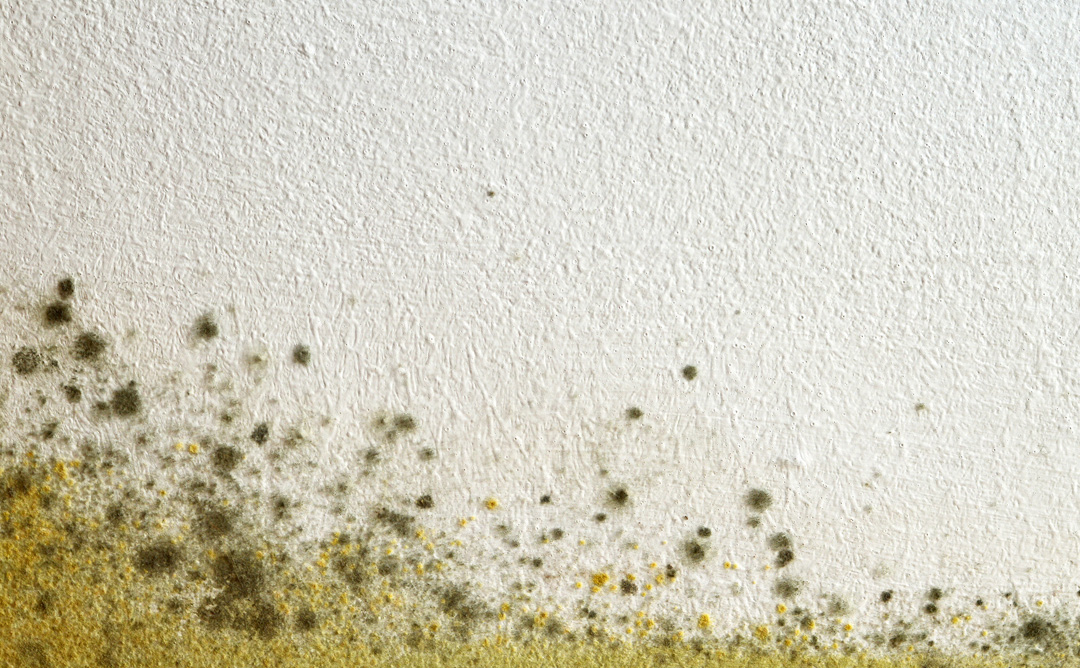
Mold, the silent and elusive intruder, can wreak havoc on our homes, health, and overall well-being. Often hidden in the darkest corners of our living spaces, mold can thrive undetected until it becomes a full-blown problem. I will dive into the world of mold, understanding its causes, potential dangers, and most importantly, how to prevent and combat its growth.

1. Understanding Mold: What is it?

Mold is a type of fungus that exists virtually everywhere in our environment. It plays a crucial role in the natural ecosystem by breaking down organic matter. However, when mold finds its way indoors and starts growing on surfaces, it becomes a serious issue. It reproduces through tiny spores that float through the air, seeking new areas to colonize. Once the spores land on a suitable surface with enough moisture, they can germinate and grow into visible patches.

2. The Ideal Conditions for Mold Growth

For mold to flourish, it requires three critical elements: moisture, organic material, and warmth. Homes and buildings can provide an ideal breeding ground for mold if there are any water leaks, high humidity levels, or poor ventilation. Common areas for mold growth include bathrooms, kitchens, basements, and areas affected by water damage.

3. Potential Health Risks

Mold growth inside our homes can lead to various health concerns. The severity of health risks depends on individual sensitivities and the types of mold present. Common symptoms of mold exposure include nasal stuffiness, throat irritation, coughing, wheezing, skin irritation, and eye irritation. Individuals with allergies, asthma, or weakened immune systems are particularly vulnerable to mold-related health issues.

4. Prevention is Key

Preventing mold growth is more effective and easier than dealing with a full-blown infestation. Here are some practical tips to keep mold at bay:

  • Maintain proper ventilation: Ensure your home has adequate ventilation, especially in areas like the bathroom, kitchen, and laundry room. Exhaust fans can help to remove excess moisture.
  • Address water leaks promptly: Fix any leaks in pipes, roofs, or windows as soon as you notice them. Damp environments are a breeding ground for mold.
  • Control indoor humidity: Keep indoor humidity levels between 30-50% to discourage mold growth. A dehumidifier can be useful in areas prone to high humidity.
  • Use mold-resistant products: When renovating or building, consider using mold-resistant materials, especially in areas prone to dampness.

5. Removing Mold: DIY vs. Professional Remediation

Small patches of mold (less than 10 square feet) can sometimes be tackled by homeowners using appropriate safety measures and cleaning products. However, for extensive mold growth or mold in hard-to-reach places, it’s best to call in professional mold remediation services. Professionals have the expertise and tools to handle mold safely and thoroughly, minimizing health risks and preventing future growth.

6. Natural Remedies for Mold Removal

If you prefer natural remedies, you can try using white vinegar, hydrogen peroxide, or tea tree oil to clean mold-infested areas. These substances have some antimicrobial properties and may help in minor mold situations. However, it’s essential to remember that natural remedies might not be as effective as commercial mold cleaners for larger infestations.

Mold might be an unseen enemy, but with the right knowledge and proactive measures, we can protect our homes and our health. By understanding the conditions that foster mold growth and taking steps to prevent it, we can create a healthier living environment for ourselves and our loved ones. Remember, early detection and quick action are crucial in the battle against mold. Stay vigilant, stay informed, and let’s keep our homes mold-free. Be sure to join our Community. 

My favorite products used to fight mold:

Disclaimer: We are an affiliate of many companies, which means that we may receive a commission if you click on our affiliate link and make a purchase. However, this does not affect our reviews and comparisons. We strive to provide honest opinions and recommendations based on our own experiences and research. Any product claim, statistic, quote, or other representation about a product or service should be verified with the manufacturer, provider, or party in question.